Dental Implants Calabasas CA: Signs You May Need Them
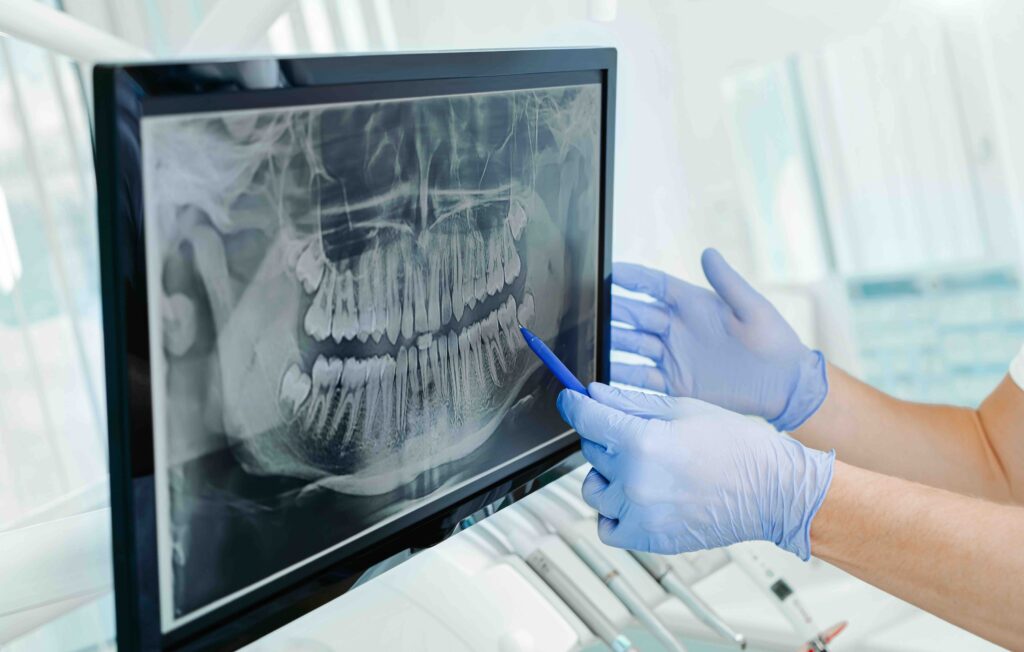
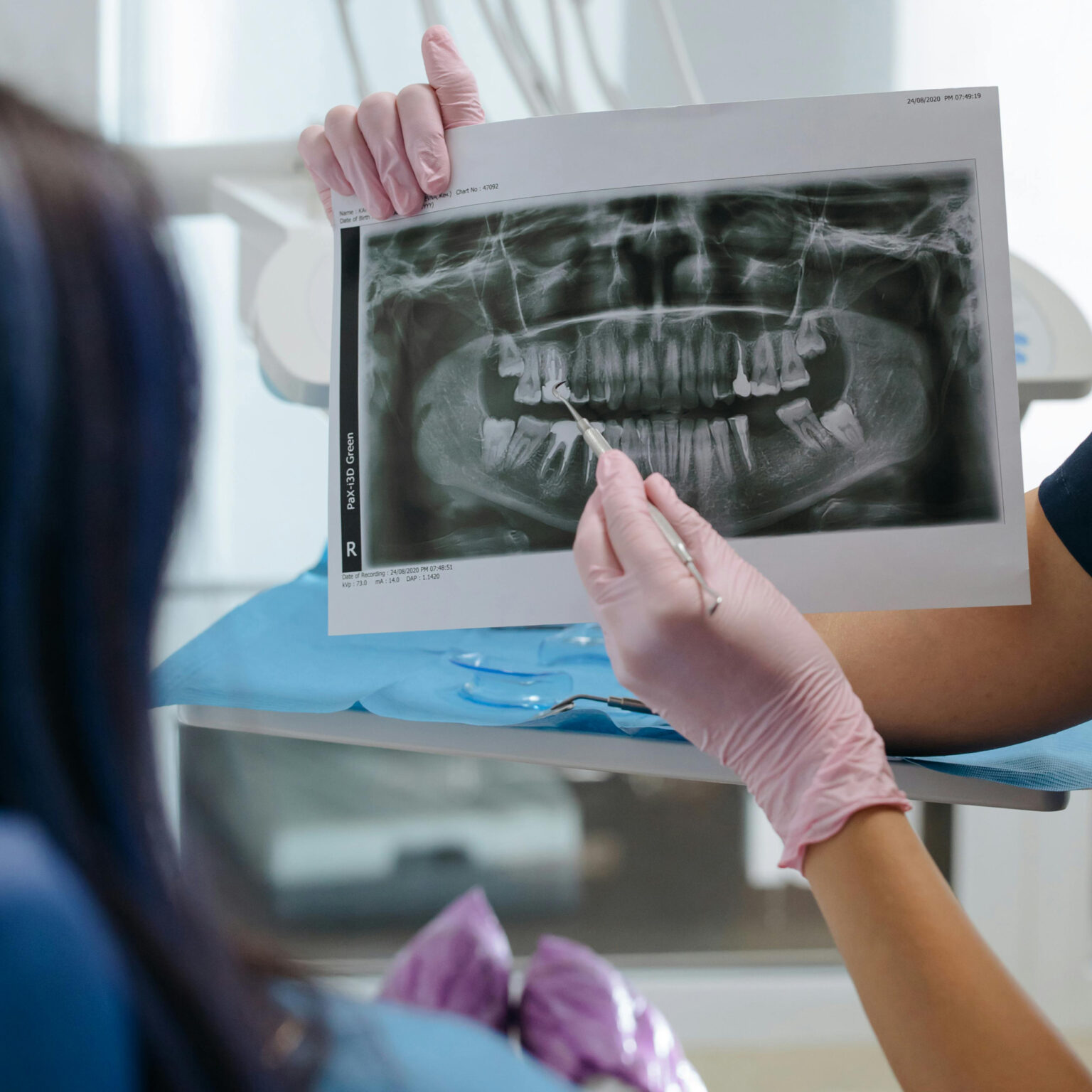
Losing a tooth rarely feels like a simple dental issue. For many people, it starts as a small private annoyance. You avoid chewing on one side. You smile with your lips closed in photos. You tell yourself it is not urgent because the gap is toward the back, where no one can see it. Then the practical problems show up. Food catches in places it never did before. A nearby tooth starts to shift. The bite feels a little off in the morning, then more off a few months later.
That is usually when the conversation about implants becomes real.
If you have been researching Dental Implants Calabasas CA, chances are you are already weighing more than appearance. You are thinking about comfort, chewing ability, longevity, bone health, and whether treatment is worth the investment. Those are the right questions. Dental implants are not the answer for every patient, but when they are the right fit, they can solve problems that removable options or doing nothing simply cannot.
The key is knowing the signs that point toward implants as a serious option rather than a cosmetic luxury.
When a missing tooth starts affecting more than your smile
A single missing tooth can seem manageable at first, especially if it is a molar. People often adapt quickly. They learn to chew around the gap and carry on. What gets overlooked is what happens beneath the surface.
Teeth help maintain spacing and stimulate the jawbone through everyday chewing pressure. Once a tooth is gone, the neighboring teeth can begin drifting toward the open space. The opposing tooth may start to over-erupt because it no longer has contact. Over time, that can create a chain reaction. A bite that was once stable becomes uneven. Certain teeth start carrying more load than they were designed for. Small chips, clenching discomfort, and gum irritation become more likely.
The bone under a missing tooth also begins to shrink. That process, called resorption, is one of the most important reasons dentists take tooth replacement seriously. Bone loss is not always obvious when you look in the mirror, but it matters. In the front of the mouth, it can change the contour of the gums and lips. In the back, it can reduce support for future restoration options.
This is where implants stand apart. Because an implant replaces the root as well as the crown, it gives the jawbone functional stimulation that a traditional bridge or removable partial denture cannot provide in the same way.
The signs patients notice first
People rarely walk into a consultation saying, “I think my alveolar ridge is resorbing.” They talk about daily frustrations. Those frustrations are often the earliest and most useful clues.
Here are some common signs that it may be time to ask whether implants make sense:
- You are missing one or more teeth and your bite no longer feels stable.
- You avoid certain foods because chewing feels awkward or weak.
- A denture or partial moves, rubs, or makes you self-conscious.
- You have a cracked, failing, or unrestorable tooth that may need extraction.
- The space from a lost tooth is beginning to affect nearby teeth or your gumline.
Each of these signs matters for a different reason. A loose denture points to function and retention. A failing tooth raises the question of whether saving it is still predictable. A shifting bite suggests the problem is no longer isolated. In practice, patients often have more than one of these at the same time.
A missing tooth that has been ignored for years
One of the most common scenarios in real dental offices is the old extraction site. A patient lost a molar five or ten years ago, often after a root canal failed or a tooth fractured. Life got busy. The area did not hurt, so replacing it dropped down the priority list.
Then something changes. The patient notices that chewing steak or nuts on that side feels less efficient. A dentist points out that the opposing molar has drifted. On an X-ray or scan, the bone in the area looks narrower or shorter than it did right after extraction.
This does not always mean implants are off the table. It does mean the conversation may be more complex now. Some patients need grafting before implant placement. Others still have enough bone for a straightforward case. Timing affects options, but delayed treatment does not automatically rule implants out.
If you have an old missing tooth and have assumed you “missed your chance,” it is worth getting evaluated. Many patients are surprised to learn they are still candidates, even if the treatment plan involves an extra step or two.
When a tooth is still present, but no longer truly savable
Needing an implant does not always begin with a tooth that is already gone. Quite often, it begins with a tooth that has become unreliable. Maybe it has a vertical fracture. Maybe decay extends too far below the gumline. Maybe repeated treatment has left very little healthy structure to hold another crown.
This can be a difficult moment because patients understandably want to save natural teeth whenever possible. That instinct is usually the right one. Dentists do not place implants casually when a tooth has a strong long-term prognosis. But there are situations where continuing to patch a compromised tooth becomes more expensive, less comfortable, and less predictable than replacing it.
Judgment matters here. A tooth that can be restored well should not be rushed into extraction just because implants are available. At the same time, a tooth with a poor structural outlook should not be kept on life support for years if every repair is buying only a few months of function. A good consultation should include a candid discussion of both paths, including expected longevity, maintenance, and cost over time.
Dentures that fit “well enough” often do not fit well at all
Patients who wear full or partial dentures sometimes assume discomfort is simply part of the bargain. It is not.
A denture that slips during meals, causes sore spots, or limits what you eat can wear down quality of life more than people admit. Social habits change first. Some people avoid restaurants. Others order only soft foods. A few become expert at smiling without showing teeth because they never fully trust the fit.
Traditional dentures can be effective, especially when made well and maintained properly, but they have limits. As bone changes over time, fit changes too. Lower dentures in particular tend to be less stable because the anatomy offers less natural suction than the upper arch.
For many patients, implants are not about vanity. They are about anchorage and security. Even using a small number of implants to stabilize a denture can make a dramatic difference in function and confidence. Patients often describe it less as “new teeth” and more as getting rid of the constant mental load of managing loose ones.
Bone loss can show up in subtle ways
Not all signs are obvious in the mouth. Some are facial. When several teeth have been missing for a long time, the lower face can begin to look collapsed or less supported. Lips may seem thinner. The area around the mouth may take on a more sunken appearance. This is especially noticeable in long-term denture wearers.
Implants can help preserve facial support by maintaining bone where teeth were lost. They are not a facelift and should never be presented as one, but they can play an important role in preserving oral structures that influence appearance.
This matters in Calabasas and everywhere else, because people want dental treatment that functions well and looks natural. The best implant work is often the work no one notices. The crown should match surrounding teeth. The gum contour should look believable. The bite should feel normal enough that the patient stops thinking about it.
Trouble chewing is not a minor complaint
Chewing problems are easy to dismiss, especially if you are otherwise healthy and pain-free. But reduced chewing efficiency affects diet more than most people realize.
Patients with missing posterior teeth often compensate by avoiding fibrous vegetables, dense proteins, crusty bread, nuts, or fruit with firm skins. They choose softer options, which can be reasonable for a few days after dental work, but less ideal as a long-term habit. Over months and years, food choices narrow. Sometimes digestion changes because food is not being broken down as effectively before swallowing.
A stable bite is part of overall oral function. If you routinely avoid one side of the mouth or think twice before eating certain foods, that is not trivial. It is a sign your dentition is no longer serving you the way it should.
What makes implants different from bridges and partials
Patients often ask whether implants are truly better than a bridge. The honest answer is that “better” depends on the case, but implants offer some distinct advantages.
A traditional bridge usually requires preparing the teeth next to the gap so they can support crowns. If those neighboring teeth already need large restorations, a bridge can be a practical option. If they are healthy and untouched, removing enamel from them is a meaningful trade-off. An implant often allows the missing tooth to be replaced without altering the teeth beside it.
Removable partial dentures can replace one or several teeth at a lower upfront cost, but they come with clasps, movement, bulk, and the need for removal and cleaning. Some patients do very well with them. Others dislike the feel from day one.
Implants also tend to feel more like natural teeth because they are fixed in place. That said, they still require good care, healthy gums, and regular professional maintenance. “Permanent” does not mean “maintenance-free.” It means the restoration is designed to stay in the mouth rather than come in and out.
Who may be a good candidate
Candidacy is about more than wanting the procedure. A dentist or specialist will look at bone volume, gum health, bite forces, medical history, and habits such as smoking or untreated clenching.
A few factors often carry the most weight:
- Healthy gums, or a willingness to treat gum disease before implant placement
- Adequate bone, or suitability for grafting if bone is limited
- Good daily oral hygiene and regular follow-up care
- Medical conditions that are reasonably controlled
- Realistic expectations about healing time, cost, and maintenance
Age alone rarely disqualifies someone. I have seen younger adults need implants after trauma and older adults benefit from them after years of struggling with removable teeth. What matters more is healing capacity, oral environment, and whether the patient can maintain the result.
Smoking deserves a direct mention. Smokers can still be candidates in some cases, but smoking increases the risk of Dental Implants Calabasas CA healing complications and implant failure. The conversation should be transparent, not sugar-coated.
The consultation should answer more than “Can I get one?”
A proper implant consultation is part diagnosis, part planning, and part expectation-setting. If it feels rushed, something is missing.
You should expect an exam, imaging, and a detailed discussion about the condition of the teeth around the area. In many practices, three-dimensional imaging is used to assess bone shape, nerve location, sinus anatomy in the upper jaw, and the ideal angle of placement. This is especially useful for planning, not because every case is exotic, but because precision matters.
You should also hear an honest timeline. Some implants can be placed soon after extraction under the right conditions. Others require healing first. Some need grafting. The full process may take several months, particularly when the site needs to mature before the final crown is attached. Faster is not always better if it compromises stability or esthetics.
For patients exploring Dental Implants Calabasas CA, I would pay close attention to how clearly the office explains trade-offs. Good care is not just technical. It is communicative. You want to know what is predictable, what carries more risk, and what alternatives exist if you decide not to move forward right away.
Cases where waiting can make treatment harder
Not every missing tooth requires immediate intervention, but delaying too long can narrow your options. This is particularly true if bone is shrinking rapidly, neighboring teeth are drifting, or the Dental Implants Calabasas CA tooth opposite the space is super-erupting.
The front teeth deserve special mention. When a front tooth is lost, timing and technique have an outsized effect on appearance. The gum tissue and supporting bone in the esthetic zone can change quickly. If there is any area where planning early tends to pay off, this is it. Even if you are not ready for immediate treatment, getting evaluated early can help preserve future possibilities.
That said, urgency should not be confused with pressure. Ethical dentistry explains consequences without manufacturing fear. The right message is not “Do this today or else.” It is “Here is what tends to happen over time, and here is how timing affects complexity.”
Cost matters, and it should be discussed plainly
Dental implants are a significant investment. Depending on the case, costs can include extraction, grafting, the implant itself, the abutment, and the final crown. When multiple teeth or full-arch treatment are involved, the numbers rise quickly.
Patients deserve straightforward estimates and a breakdown of what is included. They also deserve context. A lower-cost option may be appropriate in some situations, especially if the patient is balancing several priorities at once. On the other hand, repeatedly repairing a failing tooth or replacing a poorly tolerated removable appliance can become costly over the years in both dollars and frustration.
The best financial conversations are practical. What problem are we solving? What is the expected lifespan? What maintenance is likely? What are the alternatives if we stage treatment over time? These questions usually lead to better decisions than focusing on the implant fee alone.
Healing, comfort, and what recovery is really like
One reason people postpone implants is fear of the procedure itself. The word sounds bigger than the experience often is.
For a routine single implant, many patients report that recovery is easier than they expected, sometimes easier than a difficult extraction. There is usually some soreness, mild swelling, and a period of softer eating. Most people manage with standard post-operative instructions and a few quieter days, depending on the specifics. More involved procedures, especially those that include grafting or multiple implants, can understandably require a longer recovery window.
What matters is planning around real life. If you have a public-facing job, an upcoming trip, or medical factors that affect healing, those details should shape the schedule. Good treatment planning fits the procedure to the patient, not the other way around.
Signs it is time to stop “making do”
Some patients know exactly when they are ready. Others need a threshold moment. Often it is not pain. It is fatigue. They are tired of chewing around a gap, tired of adhesives, tired of hiding a smile, tired of one more patch on one more failing tooth.
That feeling deserves respect. Dentistry is not only about avoiding disease. It is also about restoring normal use and confidence. If your mouth is demanding daily workarounds, that is information. It means the current situation is costing you something, even if it has become familiar.
If you are looking into Dental Implants Calabasas CA, the most important question is not whether implants are popular or modern. It is whether they solve a problem you are actively living with. A gap that destabilizes your bite, a denture that undermines your meals, or a tooth hanging on by a thread are all strong reasons to have the conversation now rather than later.
The right plan may be an implant. It may be something else. But if any of these signs sound familiar, you are past the point of casually waiting and well into the stage where a thoughtful evaluation can protect your comfort, function, and oral health for years to come.
Oaks Dental
5000 Parkway Calabasas, Suite 308
Calabasas, CA 91302, United States
Phone: +1 (818) 412-8349
FAQ About Dental Implants Calabasas CA
How much does a dental implant cost in California?
Costs vary with the number of teeth replaced, restoration type, imaging, and any extractions or bone grafting. Request an itemized estimate after an examination; a single advertised price may not include every treatment stage.
Can people with autoimmune disease get dental implants?
Some people may qualify, but the condition, medications, oral health, and healing risks require individual assessment. Share your medical history with your dentist, who may coordinate with your treating physician.
Can you have dental implants if you have osteopenia?
Osteopenia does not by itself establish whether implants are suitable. Your dentist must evaluate jawbone support and review bone-related medications and other risks before recommending treatment.