Dental Implants Calabasas CA: Understanding the Healing Timeline
Choosing a dental implant is rarely a snap decision. Most patients arrive at the conversation after months or years of living with a missing tooth, a failing bridge, a loose denture, or a cracked molar that can no longer be saved. By the time treatment starts, the big question is usually not whether an implant works. It is how long the process takes, what healing actually feels like, and when life starts to feel normal again.
That is where expectations matter. The healing timeline for dental implants is predictable in broad strokes, but it is never identical from one patient to the next. A healthy nonsmoker replacing a single front tooth often heals faster than someone who needs an extraction, bone grafting, and treatment in the back of the mouth. Bite forces, gum condition, medical history, and even sleep habits can change the pace.
Patients looking into Dental Implants Calabasas CA often hear timelines described in simple blocks, such as three months or six months. Those estimates are useful, but they leave out the details that make the experience easier to understand. Healing does not happen all at once. It comes in phases, each with its own milestones, restrictions, and little surprises.
What “healing” means with a dental implant
A dental implant is not just a replacement tooth. It is a small titanium or ceramic post placed in the jawbone to act like a tooth root. Once placed, the bone needs time to grow and bond around the implant surface. That process is called osseointegration, and it is the heart of implant healing.
Many patients assume they are healed when the soreness fades. In reality, soft tissue comfort and bone integration are two different things. Your gums may look good and feel fairly normal within a couple of weeks, while the deeper bone is still maturing for months. That difference matters because the implant may feel stable before it is fully ready for the final crown.
This is one reason experienced implant dentists are careful about timing. Rushing the final restoration can put too much force on an implant that has not fully integrated. Waiting too long is usually less of a problem than loading an implant too soon.
The first 24 to 72 hours
The immediate post operative period is usually much easier than people expect, especially for a single implant placed with local anesthesia. There is often some pressure, mild bleeding, and swelling, but many patients compare it to a routine extraction or say it was simpler than a root canal they had feared for years.
The first day is mostly about clot stability and inflammation control. You may be asked to avoid spitting forcefully, using straws, smoking, or rinsing aggressively. Those actions can disturb the surgical site. Cold compresses tend to help during the first day, especially when used on and off in short cycles.
Swelling commonly peaks around the second or third day. That timing throws some people off because they assume day one will be the worst. Bruising can also appear later than expected, especially in thinner-skinned patients or after more involved surgery in the upper arch. It can travel down the cheek or jawline and look dramatic even when healing is on track.
Pain varies. Some patients take only over the counter medication after implant placement. Others, particularly those who had bone grafting or multiple implants placed at once, may need a stronger prescription for a short period. The amount of discomfort is often less about the implant itself and more about how much adjacent tissue was manipulated during surgery.
The first week, when routines start to return
By the end of the first week, most people are back to work and regular errands, though they may still be avoiding heavy exercise and crunchy foods. Speech is usually normal unless the implant is in a visible front area with a temporary tooth that feels bulky at first.
During this stage, the gums are closing and the tenderness starts to drop off. If sutures were used, they may dissolve on their own or need removal at a follow-up visit. The site can look slightly uneven or puffy, which is not necessarily a problem. Early soft tissue healing is not a beauty contest. It is a repair phase.
The biggest challenge here is often not pain. It is patience. Patients feel functional enough to chew on the treated side, test the area with their tongue, or return to foods that are Dental Implants Calabasas CA a little too ambitious. I have seen more setbacks from people “feeling fine” on day five than from those who took the first week seriously.
This is also when people start worrying about normal healing signs. A little white or yellow film over the gums can be part of tissue repair, not infection. Mild oozing when brushing nearby can happen. What matters is the trend. If symptoms steadily improve, that is reassuring. If swelling worsens after several days, pain spikes, or there is a foul taste and thick discharge, the office should hear about it.
Weeks two through six, the quiet phase
This period is deceptive because not much seems to be happening. The visible signs of surgery have settled, and many patients think they are done healing. In fact, this is when the deeper biology becomes more important.
Bone cells are remodeling around the implant surface, replacing the initial clot and immature tissue with stronger support. The implant may feel completely still, but the bond is still organizing at a microscopic level. Good healing conditions matter here. Stable bite forces, healthy gums, and good blood supply all support integration.
Dental Implants Calabasas CAIf a temporary restoration is being worn, your dentist may adjust it more than once during this period. That is not a sign that anything is wrong. Even small premature contacts can overload an implant while it is integrating. A tiny pressure point that would be harmless on a natural tooth can be unhelpful on a healing implant.
Patients who needed extractions before implant placement often notice another layer of healing during these weeks. The surrounding ridge and gum shape continue to change subtly. This is why final cosmetic work, especially in the smile zone, is usually not rushed. The tissue has to settle into a more stable form before the final crown can be shaped precisely.
Why some implants are restored quickly and others are not
One of the most confusing parts of implant treatment is that some people leave surgery with a temporary tooth the same day, while others spend months waiting. Both plans can be appropriate.
Immediate temporization means placing a temporary crown or bridge soon after the implant is inserted. This is more common in the front of the mouth, where appearance matters and bite forces can sometimes be managed more carefully. Delayed restoration means allowing the implant to heal under the gum or with a small healing cap before attaching the visible tooth later.
The difference usually comes down to primary stability and risk management. If the implant locks firmly into good-quality bone at placement, and if the bite can be kept light, a temporary tooth may be possible. If the bone is softer, the implant is smaller, grafting was extensive, or the patient clenches heavily at night, the safer route may be to wait.
This is where online comparisons can mislead people. A friend may have walked out with a full smile in one day, but that does not mean the same approach suits every mouth. Faster is not always better. Predictable is better.
The three to six month window
For many straightforward cases, this is when the implant is tested, uncovered if necessary, and prepared for the final restoration. A common range for lower jaw implants is around three months, while upper jaw implants often need a bit longer because the bone tends to be less dense. Those are broad norms, not fixed rules.
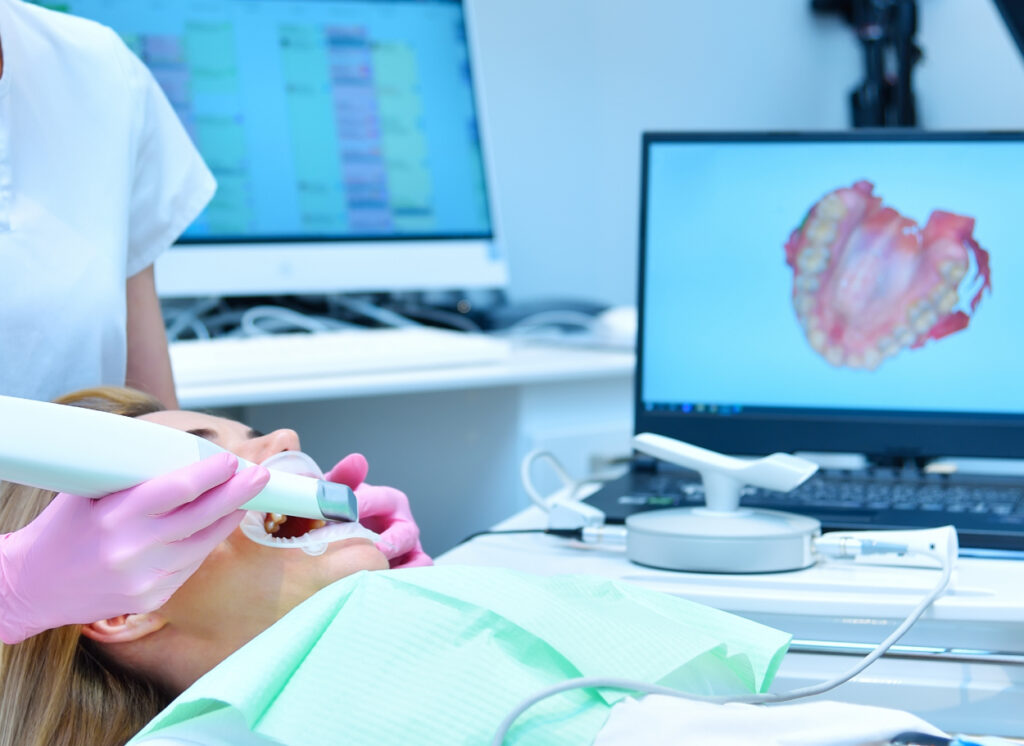
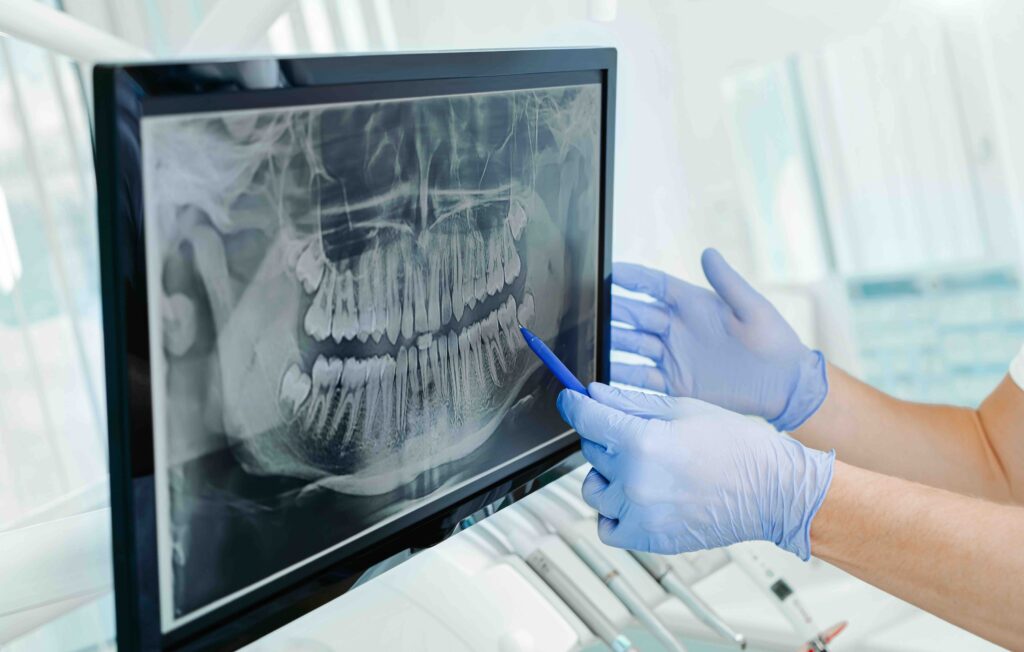
At this stage, the dentist is looking for stable integration, healthy surrounding tissue, and the absence of pain or mobility. If the implant is ready, an impression or digital scan is taken so the final crown, bridge, or denture attachment can be made. This restorative phase has its own mini timeline, usually measured in a few weeks depending on the lab and the complexity of the case.
Patients often expect the final crown appointment to be the finish line. Functionally, it is close, but there is still an adaptation period. Your bite may need refinement. The contact points with neighboring teeth may need slight polishing. The tongue has to get used to a new contour. None of this is unusual. Even beautifully made restorations often need small adjustments once real chewing begins.
When bone grafting adds time
Bone grafting is one of the main reasons implant timelines stretch. If the jawbone is too thin or too short to support an implant properly, grafting may be recommended before or during implant placement. That added step can improve long-term success, but it demands patience.
A small graft placed at the same time as the implant may not add much time if the implant has good primary stability. A larger ridge augmentation or sinus lift can add several months. In some cases, the tooth is removed, the site is grafted, and everyone waits four to six months before the implant is even placed. Then the implant heals for another few months before the final tooth is attached.
Patients can find this frustrating, especially if they expected a one-stage process. But grafting often reflects sound judgment, not delay for the sake of delay. Trying to force an implant into inadequate bone may save time on the front end and cost much more time, money, and discomfort later.
Factors that influence how fast you heal
Healing speed is partly about the procedure and partly about the person. Two implants placed the same way can have different timelines because the biology is different.
Smoking is one of the clearest examples. Nicotine constricts blood vessels and interferes with tissue repair. Heavy smokers generally face slower healing and a higher risk of complications. Diabetes can also matter, particularly if blood sugar is poorly controlled. A patient with well-managed diabetes may heal very predictably, while uncontrolled levels can increase risk.
Night grinding is another factor that does not get enough attention. Bruxism puts tremendous force on implants, especially during early integration and after the final crown is delivered. A night guard is not glamorous, but it often protects a significant investment.
Age matters less than many people think. I have seen healthy older adults heal beautifully and younger patients struggle because of smoking, poor home care, or inconsistent follow-up. The calendar age of the patient is not nearly as important as the condition of the tissues and the habits surrounding healing.
What you can do to help the timeline stay on track
Most implant delays do not come from dramatic failures. They come from small issues, irritated gums, poor plaque control, a loose temporary, or a patient chewing on the area too early because everything “seemed okay.”
The basics make a real difference:
- Keep the surgical area clean exactly as instructed, even if you are nervous about brushing near it.
- Eat softer foods longer than your confidence tells you to.
- Take follow-up appointments seriously, because early adjustments can prevent larger setbacks.
- Use a night guard if your dentist recommends one.
- Avoid smoking and vaping during healing, ideally well before and well after surgery.
None of those steps is complicated, but consistency matters. Implant success is usually built on uneventful, boring healing. That is the goal.
What normal healing feels like, and what deserves a call
Most patients want reassurance about symptoms more than they want a textbook explanation of bone remodeling. That is fair. The practical question is simple: what is normal?
Normal healing may include tenderness when chewing nearby, a tight feeling in the gums, mild swelling that gradually fades, slight bruising, and occasional sensitivity in surrounding teeth. The bite can feel “off” for a short time, especially if a temporary restoration was adjusted or if you have been unconsciously favoring one side.
There are, however, symptoms that should not be brushed aside:
- Pain that worsens instead of improving after the first several days
- Swelling that increases markedly after the initial peak
- Pus, foul odor, or a persistent bad taste from the site
- A loose implant or temporary tooth that suddenly shifts
- Fever or trouble opening the mouth that keeps getting worse
Patients sometimes hesitate to call because they do not want to overreact. In my experience, early communication is almost always the better choice. A quick exam can distinguish routine irritation from a true complication, and if there is a problem, it is usually easier to manage when caught early.
Full arch cases follow a different rhythm
When someone is replacing all teeth in an arch with implant-supported teeth, the healing timeline has a different feel. The patient may leave surgery with fixed temporary teeth the same day or within a day or two. From the outside, it can look as though the process is already complete. Internally, it is not.
The implants still need to integrate, often under significant functional demands. The temporary prosthesis is designed to protect that healing phase while restoring appearance and basic function. Diet is usually restricted much longer than patients expect. Soft foods are not just a comfort recommendation here. They are part of protecting the implants from overload.
The final bridge in a full arch case is commonly delivered months later, after the tissues settle and the implant stability is confirmed. That gap frustrates some patients because the temporary teeth may already look quite good. But the final prosthesis should reflect what the mouth actually did during healing, not what everyone guessed on surgery day.
Cosmetic areas require extra patience
A single front tooth implant can be one of the most rewarding restorations in dentistry, and one of the most technique-sensitive. Patients often focus on whether the implant integrates, but in the smile zone the soft tissue shape is just as important as the implant itself.
The gums around a front tooth need to frame the crown naturally. If the tissue is thick, stable, and supported by good bone, the result can be excellent. If the tissue is thin or there was bone loss before treatment, shaping the gumline may require grafting, provisional adjustments, or simply more time.
This is one reason an experienced dentist may delay the final front crown even when the implant is technically integrated. The extra weeks are often used to fine tune emergence profile, papilla shape, and symmetry with the neighboring teeth. Patients usually appreciate that caution once they see the final result.
Why local follow-up matters
For anyone considering Dental Implants Calabasas CA, convenience should not be dismissed as a minor issue. Implant care is not just the surgery day. It includes post operative checks, possible temporary adjustments, hygiene maintenance, and occasional troubleshooting. Being able to reach your treating office, get seen promptly, and have continuity with the same team matters more than many patients realize at the start.
A practice that handles implant planning, placement, and restoration thoughtfully will usually spend as much time on sequencing as on the procedure itself. That planning affects healing. The right temporary design, the right timing for loading, and the right maintenance schedule all influence whether the process feels smooth or stressful.
The long view after the crown is placed
Once the final restoration is in place, the healing story is not over. The implant may be integrated, but the surrounding gum and bone still respond to plaque, bite forces, and general health over time. Patients sometimes think of implants as maintenance-free because they do not decay like natural teeth. That misconception causes problems.
Implants can develop inflammation in the gums and bone around them if hygiene is neglected. They can loosen at the crown screw, chip porcelain, or develop bite issues if neighboring teeth move or clenching increases. Most of these problems are manageable, especially with regular maintenance, but they do not improve from neglect.
The patients who do best long term tend to treat implants with respect, not fear. They clean around them thoroughly, show up for maintenance, and mention changes early. They understand that an implant is durable, but not indestructible.
Healing after implant placement is best understood as a sequence, not a single date on the calendar. The first week is about comfort and soft tissue recovery. The following months are about quiet bone integration. The restorative phase finishes the mechanics, and the long-term phase depends on maintenance. When patients understand that rhythm, the process feels less mysterious and far more manageable.
For many people, the wait is worth it. A well-planned implant can restore chewing strength, preserve bone, and make a missing tooth feel like a closed chapter rather than an ongoing compromise. The key is matching the timeline to the biology, rather than forcing the biology to fit an impatient timeline.
Oaks Dental
5000 Parkway Calabasas, Suite 308
Calabasas, CA 91302, United States
Phone: +1 (818) 412-8349
FAQ About Dental Implants Calabasas CA
How much does a dental implant cost in California?
Costs vary with the number of teeth replaced, restoration type, imaging, and any extractions or bone grafting. Request an itemized estimate after an examination; a single advertised price may not include every treatment stage.
Can people with autoimmune disease get dental implants?
Some people may qualify, but the condition, medications, oral health, and healing risks require individual assessment. Share your medical history with your dentist, who may coordinate with your treating physician.
Can you have dental implants if you have osteopenia?
Osteopenia does not by itself establish whether implants are suitable. Your dentist must evaluate jawbone support and review bone-related medications and other risks before recommending treatment.