Full Mouth Dental Implants: A Complete Restoration Guide
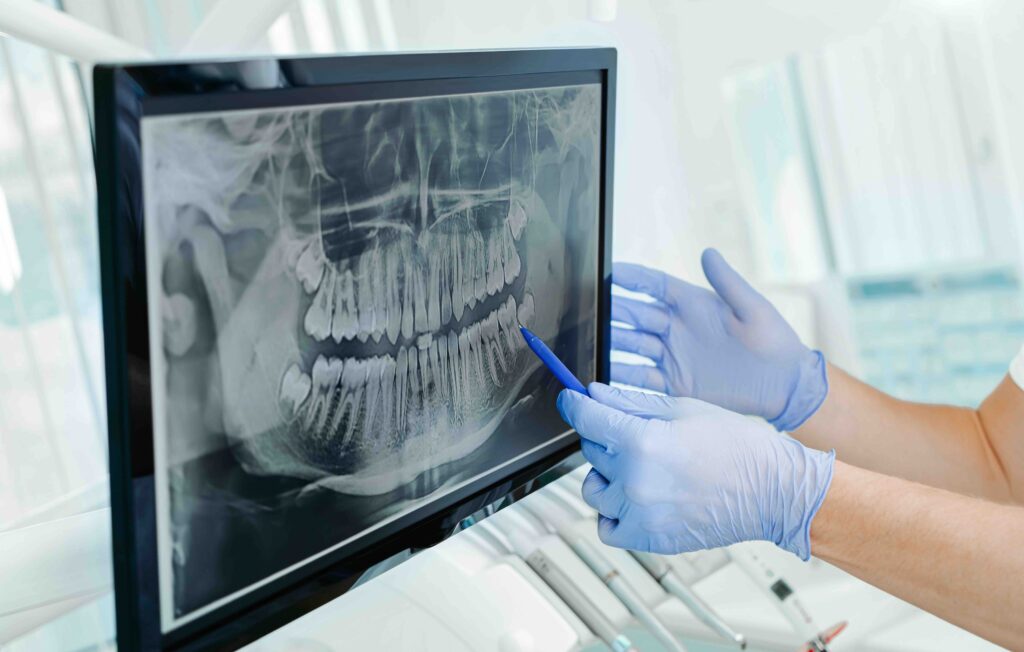
Losing most or all of your teeth changes far more than a smile. It affects how you chew, how clearly you speak, how your face is supported, and often how comfortable you feel in social settings. Full mouth dental implants are designed to solve that problem in a way that feels stable, functional, and long-lasting. For many patients, this treatment marks the point where eating becomes enjoyable again and daily life stops revolving around loose dentures, sore gums, or the constant awareness that teeth are missing.
That said, full mouth restoration is not a single procedure or a one-size-fits-all product. It is a treatment category. The right plan depends on bone volume, gum health, medical history, bite forces, budget, and expectations. Someone who has worn dentures for twenty years presents very differently from someone losing their teeth due to advanced decay in middle age. The implants may be placed immediately after extractions, or only after a period of healing and grafting. The final teeth may be fixed in place or removable for cleaning, depending on the case.
Patients often arrive focused on one question: “How much does it cost?” That matters, of course, but it is not the first question an experienced implant team asks. The better starting point is simpler: what will give this person a durable, healthy result that they can maintain for years?
What full mouth dental implants actually mean
The phrase “full mouth dental implants” can refer to several treatment designs. In broad terms, it means replacing all teeth in the upper jaw, the lower jaw, or both, using implants anchored into the jawbone. Those implants then support a full arch of replacement teeth.
Some restorations use as few as four implants to support one full arch. Others use six, eight, or more, depending on bone quality, span length, and the type of prosthetic being made. A fixed bridge, sometimes called a full arch implant bridge, stays in place and can only be removed by the dental team. An implant overdenture snaps onto implants for stability but can be removed for hygiene.
This distinction matters because patients often use the same phrase for very different outcomes. One person means “teeth that never come out.” Another means “dentures that don’t slide.” Both involve dental implants, but the daily experience, maintenance, and cost are not the same.
A well-planned case also restores more than just teeth. It restores bite position, lip support, smile line, facial proportions, and the way upper and lower jaws meet under load. When these details are ignored, even expensive work can look bulky, sound unnatural, or fail prematurely.
Who tends to be a good candidate
There is no single profile, but certain patterns show up again and again. Full mouth implants are commonly recommended for people with widespread tooth loss, severe periodontal disease, multiple failing crowns and bridges, advanced wear, or dentitions so heavily damaged that piecemeal repair no longer makes sense.
Being a candidate does not mean having perfect health or abundant bone. Many people qualify after additional preparation. Bone grafting, sinus lifts, gum treatment, or staged extractions can make implant treatment possible when it did not look possible at first glance. Age alone is rarely the limiting factor. I have seen healthy patients in their seventies adapt beautifully to implant-supported full arches, while younger patients with uncontrolled diabetes or heavy smoking habits needed treatment delayed until risks were better managed.
What matters most is whether healing conditions are favorable and whether the patient can commit to maintenance. Dental implants are not immune to disease. They can fail if infection is ignored, if overload is severe, or if cleaning is neglected. The strongest implant plan in the world performs poorly if it is placed into a mouth that the patient cannot or will not maintain.
Why people choose implants over traditional dentures
Conventional dentures still have a role, and in some cases they are the best starting point. They are less invasive, less expensive, and sometimes appropriate when medical limitations rule out surgery. But they come with known frustrations. Lower dentures, in particular, can be unstable because the tongue and movable floor of the mouth compete constantly for space. Upper dentures often hold better, yet many patients dislike the palatal coverage and the reduced sense of taste or temperature.
Implant support changes that experience substantially. Stability improves first. Chewing efficiency usually improves next. Then comes something patients rarely expect until they feel it for themselves: confidence. The need to test food carefully, avoid certain textures, or worry that teeth might shift while talking tends to fade.
There is also the issue of bone loss. When teeth are missing, the surrounding bone no longer receives the same functional stimulation, and over time it resorbs. Dentures do not stop that process. Dental implants help preserve bone where they are placed, which supports long-term facial structure more effectively than a tissue-supported denture alone.
Still, implants are not a magic substitute for natural teeth. Even excellent restorations require design compromises. Acrylic full arch prostheses wear differently than zirconia. Access channels must be planned. Bite forces must be controlled. The patient needs to understand what “better” means in realistic terms, not marketing language.
The main full arch treatment options
Most full mouth implant plans fall into one of three broad categories. The names vary by clinic, but the concepts are consistent.
- Implant overdentures use two to six implants per arch and a removable denture that clips or snaps onto them. They are more stable than conventional dentures and often easier to clean and repair.
- Fixed hybrid bridges are full arch restorations secured to implants and removed only by the dentist. These often combine a strong framework with acrylic or composite teeth.
- Full arch zirconia bridges are fixed prostheses made from high-strength ceramic, typically used when durability and a more refined feel are priorities.
Each option has trade-offs. Overdentures usually cost less and can work very well for patients with dexterity concerns or limited budgets. Fixed hybrids often strike a practical balance between function and cost. Zirconia can be excellent, especially for wear resistance and long-term aesthetics, but it requires precise planning and can be less forgiving if bite design is poor.
A common mistake is assuming the “most expensive” option is automatically the best. It is not. For a patient with a very high smile line, thin lip support, heavy parafunctional habits, or a long span that needs gum replacement built into the prosthesis, material choice becomes a nuanced discussion. The best result is the one that suits the biology, the mechanics, and the person wearing it.
The planning phase is where success is built
Patients tend to remember surgery day, but experienced teams know the real work begins earlier. Comprehensive records guide nearly every meaningful decision. That usually includes a clinical exam, photographs, digital scans or impressions, and three-dimensional imaging to assess bone volume and anatomical landmarks such as the sinuses and nerves.
The bite is equally important. If the jaws close in an unstable or collapsed position, simply placing implants where bone happens to be available can produce a restoration that feels off from day one. In more complex cases, a trial setup or provisional phase is used to test aesthetics, speech, and bite position before the final prosthesis is made.
This stage is also where difficult conversations should happen. If a patient clenches heavily, wants very white teeth despite a mature facial appearance, or expects their new smile to look exactly like untouched natural enamel, those expectations need careful calibration. Implant dentistry goes best when there are few surprises, and that requires candor on both sides.
Extractions, immediate implants, and when waiting is smarter
One of the most common questions is whether teeth can be removed and implants placed on the same day. Sometimes yes, sometimes no.
Immediate implant placement can be an excellent option when infection is controlled, bone walls are intact enough, and implant stability can be achieved at surgery. It shortens treatment time and may preserve tissue contours more effectively. Immediate temporary teeth may also be possible, which is a major quality-of-life advantage for many patients.
But immediate treatment is not always the wise choice. Severe infection, insufficient bone, unfavorable bite forces, or soft tissue limitations can make delayed placement safer. In those situations, extracting compromised teeth first, allowing the area to heal, and then placing implants under more controlled conditions often leads to a better long-term outcome.
This is where judgment matters more than enthusiasm. Fast treatment is attractive, but the mouth does not reward shortcuts. A case that needs grafting needs grafting, even if that extends the timeline by several months.
Bone grafting and anatomical limitations
Many full mouth implant patients have already lost a meaningful amount of bone by the time they seek treatment. This is especially common in the upper back jaw, where sinus expansion and bone resorption reduce available height, and in long-term lower denture wearers, where the ridge can become quite narrow.
Bone grafting is used to rebuild deficient areas, though not every case requires it. Strategic angulation of posterior implants can sometimes avoid grafting, particularly in full arch designs that spread support efficiently. That approach can reduce treatment time and cost, but it has to be used thoughtfully. Angled implants are a tool, not a workaround for poor planning.
Soft tissue quality matters too. Thick, healthy, manageable gum tissue around implants is an asset. Thin, mobile, or inflamed tissue can complicate maintenance and comfort. Sometimes modest soft tissue grafting improves the result far more than patients expect, particularly in mouths where previous denture wear has left the tissues fragile or unstable.
What surgery and recovery are usually like
For most patients, full mouth implant surgery is more manageable than they fear. The emotional build-up is often worse than the procedure itself. Treatment may be completed under local anesthesia alone, local with oral sedation, or deeper sedation depending on the extent of surgery and the patient’s preferences.
After surgery, swelling is common. Bruising varies widely. Most people need a softer diet for a period, and those receiving immediate temporary teeth still need to avoid loading them aggressively while the implants integrate. This point cannot be overstated. Fresh implants can feel solid but are still biologically vulnerable. One week of overconfidence with crusty bread, nuts, or hard meat can create months of setback.
The early recovery period usually revolves around a few basics:
- Protect the surgical sites and follow diet restrictions closely.
- Keep the mouth clean using the methods recommended by the surgical team.
- Take medications exactly as directed.
- Attend review visits even if things seem to be healing well.
- Report any unusual mobility, persistent drainage, or sharp increase in pain promptly.
Patients who do well are not always the toughest or the least anxious. They are the ones who respect the healing phase.
Temporary teeth and why they matter more than people think
Temporary restorations are often treated like a short bridge between surgery and the final teeth. In reality, they are one of the most informative parts of treatment. A provisional arch lets the dentist evaluate smile display, lip support, phonetics, tooth length, and bite function in real life. Patients discover whether certain sounds whistle, whether the front teeth feel too bulky, or whether the back teeth are easy to clean.
That feedback is invaluable. It is much easier to refine a temporary than to discover after final delivery that the patient dislikes the speech pattern or that the midline looks subtly off in photographs.
In many of the best full arch cases, the temporary stage is not rushed. It is used deliberately. The patient wears it long enough to identify issues, and the team studies those issues before building the definitive prosthesis. That patience often separates acceptable work from excellent work.
Final prosthesis choices: function, feel, and longevity
When it is time to make the final teeth, materials and design matter. Acrylic over a metal framework has been used successfully for years and remains a sound option for many patients. It tends to be lighter and easier to adjust or repair. Teeth can wear over time, and fractures do happen, but maintenance is generally straightforward.
Zirconia offers a different set of advantages. It is strong, wear-resistant, and often preferred by patients who want a more refined, solid feel. However, it is not indestructible, and the system around it must be equally sound. If the implant positions are poor, if the bite is not balanced, or if access for cleaning is inadequate, premium material does not rescue the case.
A key discussion here is repairability. A restoration that looks stunning on delivery but is difficult or expensive to repair can become frustrating later. This is especially relevant for patients who grind their teeth, travel frequently, or live far from the treating clinic. Sometimes the slightly less glamorous option is the smarter one because it can be serviced more easily over time.
Hygiene is not optional, even with fixed teeth
One of the biggest misconceptions is that fixed full arch implants can be treated like natural teeth without much thought. They cannot. Food traps, tissue contours, screw access sites, and the undersurface of the bridge all create cleaning challenges. If hygiene is poor, inflammation develops, and if inflammation persists around implants, bone loss can follow.
Every patient needs a cleaning routine tailored to the design of the prosthesis. That may include specialized floss, super floss, water irrigation, interdental brushes, or combinations of these. The exact method depends on the bridge contours and how much clearance exists between the prosthesis and the gums.
Professional maintenance is equally important. Fixed implant bridges should be reviewed and cleaned at regular intervals. In some cases, the bridge is removed periodically so the implants and surrounding tissues can be examined directly. Patients are sometimes surprised by this need, but it is one of the reasons long-term implant cases stay healthy.
Risks, complications, and honest expectations
Even in skilled hands, complications happen. Implants may fail to integrate. Temporary teeth may fracture. Screws can loosen. Acrylic can chip. Gum tissue can become inflamed. Speech may take time to adapt. Patients with a high smile line may notice the transition between prosthetic gum and natural tissue more than they expected.
There are also medical and anatomical risks. Sinus complications, nerve disturbance, delayed healing, and infection are all known possibilities. Smoking raises risk. Poorly controlled diabetes can raise risk. A history of head and neck radiation requires very careful evaluation. Bruxism increases mechanical stress and often changes the restorative strategy.
This does not mean full mouth implants are unreliable. It means they are sophisticated reconstructions that deserve respect. The best implant teams talk openly about failure modes, not to discourage treatment, but to prepare for it intelligently. A plan is stronger when everyone understands not just the ideal path, but what happens if a variable shifts.
Cost and why estimates vary so much
The price of full mouth dental implants can vary dramatically, and for good reason. The fee reflects more than implants and teeth. It includes diagnostics, extractions, sedation, grafting when needed, temporary restorations, laboratory work, prosthetic design, follow-up care, and the complexity of the case itself.
A lower quote may represent a simpler prosthesis, fewer implants, fewer preparatory procedures, or narrower aftercare. A higher quote may include premium materials, more extensive planning, specialist involvement, and maintenance support. Neither price tells the whole story on its own.
Patients comparing treatment plans should ask what is included and what is not. A plan that seems cost-effective can become expensive if every adjustment, reline, relaunch of temporaries, or prosthetic repair is billed separately. On the other hand, the most comprehensive plan is not automatically the most suitable if the patient’s anatomy and goals do not require that level of intervention.
Choosing the right provider matters as much as the treatment itself
Full mouth implant care sits at the intersection of surgery, prosthetics, aesthetics, and long-term maintenance. That makes provider selection critical. Some excellent results come from single clinicians with deep expertise in both surgery and restoration. Others come from coordinated teams that include a surgeon, restorative dentist, and experienced lab support.
What patients should look for is not polished advertising but clarity. Can the provider explain why a certain number of implants is being recommended? Can they show how they evaluate bite and smile design? Do they discuss maintenance and repair, or only “before and after” photos? Are they comfortable explaining why a case should be staged rather than rushed?
The most trustworthy consultations usually feel measured, not theatrical. Good clinicians do not need to oversell. They can tell you where the challenges are, where the risks are low, and where compromise may be necessary.
Life after treatment
Once treatment is complete and adaptation settles in, most patients describe a return to normalcy rather than a dramatic daily awareness of the implants themselves. That is the real goal. Eating in public without worry. Speaking without adjusting a denture. Smiling without planning how much to show. These changes often matter more than the technical triumph behind them.
Still, “finished” is never truly finished with implant dentistry. The relationship shifts from active Dental Implants treatment to stewardship. Night guards may be needed. Hygiene routines need to be sustained. Recall visits matter. Minor wear or mechanical issues need early attention rather than delay.
When full mouth dental implants are planned carefully, executed well, and maintained consistently, they can transform a failing dentition into something stable and dependable. Not perfect, not maintenance-free, but strong, functional, and deeply worthwhile for the right patient. The best outcomes are built on realism, not hype, and that is exactly why they hold up.
Oaks Dental
5000 Parkway Calabasas Suite 308
Calabasas, CA 91302, United States
+1 818-431-2000
FAQ About Dental Implants
What is the downside of a dental implant?
Implants require surgery and a healing period that can last several months. Possible complications include infection, nerve or sinus injury, damage to nearby teeth and failure to bond with bone. Your dentist should assess your health, bone support and alternatives before recommending treatment.
What do dental implants typically cost?
There is no single price for every implant case. The number of teeth replaced, implant components, final restoration and any grafting or extractions affect the total. Request a written estimate covering every stage and confirm insurance benefits and out-of-pocket costs with the practice.
How long do tooth implants last?
An implant can provide long-term support and may last a lifetime with good oral hygiene and regular dental care, but this is not guaranteed. The crown or other restoration may need replacement sooner. Smoking, gum disease and some health conditions can reduce implant success.