How Dental Implants Help Prevent Jawbone Loss
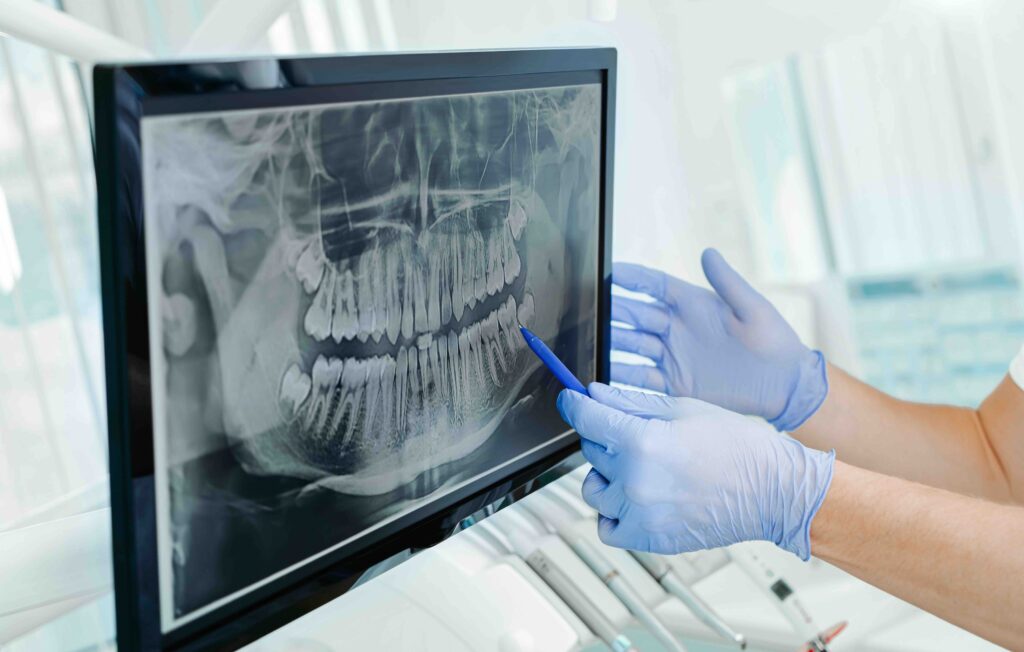
Losing a tooth changes more than a smile. It changes the way force moves through the mouth, the way the gums support nearby teeth, and, over time, the shape and density of the jaw itself. That last part often surprises people. They expect a gap in the bite. They do not expect the bone underneath that gap to begin shrinking.
This is one of the most important reasons dentists talk so much about replacing missing teeth promptly. A missing tooth is not just an empty space. It is the absence of a root, and roots do real biological work. They transmit the pressure of chewing into the jawbone. Without that stimulation, the body starts to treat the bone in that area as unnecessary tissue. The result is gradual resorption, which is the clinical term for bone loss.
Dental Implants stand apart from bridges and removable dentures because they replace the root as well as the visible crown. That root replacement is what gives implants their unique role in preserving the jaw. When people ask whether implants are worth considering, this is often the part of the conversation that matters most in the long run.
What jawbone loss really means
Bone is living tissue. It is constantly being remodeled, broken down in some areas, built back up in others, shaped by how it is used. The jawbone is especially responsive to pressure. Every time you chew, bite, or clench lightly during normal function, forces travel from the teeth into the surrounding bone. That mechanical stimulation helps tell the body, in simple terms, to maintain that structure.
Once a tooth is removed, the socket heals, but the bone no longer receives the same signal. The body becomes efficient. It stops maintaining as much bone volume where the tooth root once was. In the first year after tooth loss, a noticeable amount of change can happen, especially in width. Height can diminish more gradually, but it can continue over time. The pattern varies from person to person, and not every extraction site behaves the same way. A lower molar lost in a heavy grinder may remodel differently from an upper front tooth lost after trauma. Still, the trend is well established: missing roots lead to shrinking bone.
Patients often notice the consequences indirectly. A denture that once fit well becomes loose. The face can begin to look more collapsed around the mouth. Adjacent teeth may drift or tilt. In the back of the mouth, changes in bite stability can affect chewing efficiency. In the front, the esthetic changes can be harder emotionally. That is why dentists do not view tooth replacement as cosmetic alone. It is structural.
Why bone needs pressure to stay healthy
A simple comparison helps. Think of bone a bit like muscle in the sense that it responds to use. A limb in a cast loses muscle quickly because it is not working. Bone is not the same tissue, but it follows a similar principle of adaptation. If the body does not need a certain amount of structure, it tends to reduce what it maintains.
Natural tooth roots are suspended in bone by the periodontal ligament, a remarkable tissue that acts almost like a shock absorber and sensory organ. When you chew on a natural tooth, this system distributes force in a way the body recognizes. Remove the tooth, and that signaling pathway disappears.
A bridge can restore appearance and function above the gumline, but it does not replace the root in the bone. A removable denture sits on top of the gums and bone, but it does not stimulate the bone in the same way either. An implant, by contrast, is placed into the jawbone. Once it integrates with the bone, it begins functioning as an artificial root. That matters because it reintroduces functional load where the bone would otherwise be idle.
That does not mean an implant recreates a natural tooth perfectly. It does not have a periodontal ligament, and the sensation is different. But from the standpoint of preserving bone volume, it is the closest replacement option modern dentistry offers.
How Dental Implants interact with the jaw
A dental implant is typically made of titanium or, in some cases, zirconia. It is surgically placed into the jaw where the missing root used to be. Over several weeks to several months, the surrounding bone heals and bonds directly to the implant surface. This process is called osseointegration.
Once integration occurs, the implant can support a crown, bridge, or denture attachment. When the patient chews, force transfers through the restoration into the implant and then into the bone. That transmission of load helps maintain bone by giving the body a reason to keep it.
This is the core of the jawbone preservation argument. The implant is not simply filling space. It is participating in the biology of function.
In practice, the difference can be striking. A patient who loses a lower first molar in their forties might not think much about the area after it heals. If they leave it unrestored for years, the ridge can narrow enough that implant placement later becomes more complicated. Sometimes bone grafting becomes necessary. If the site is preserved and restored earlier, the treatment is often more straightforward and the final contours more favorable. Timing does not solve every problem, but it often improves the odds.
What happens when a tooth is not replaced
People can adapt to a missing tooth, especially if it is in the back. The body is good at compensating. That can create a false sense that nothing serious is happening. Yet under the surface, changes continue.
The neighboring teeth may drift into the gap. The opposing tooth may over-erupt because it no longer has a partner to bite against. The bite may become less balanced. Food traps can develop. Cleaning gets harder. The bone in the missing tooth area continues to remodel, usually downward and inward.
This matters when someone decides years later to restore the space. At that Dental Implants point, the conversation is no longer just about placing an implant. It may involve rebuilding the site first. If the upper back jaw has lost a lot of vertical bone, a sinus lift may be considered. If the lower ridge has become very thin, guided bone regeneration may be needed. None of this means the case cannot be treated, but it usually means more time, more cost, and more complexity.
One of the more difficult conversations in practice happens when a patient says, “I wish I had done this sooner.” Often they had no pain, so they assumed waiting was harmless. The problem with jawbone loss is that it is usually silent. By the time it is obvious, the anatomy has already changed.
Why implants are different from bridges and dentures
Each tooth replacement option has a place. There is no single treatment that suits every patient, every budget, or every medical history. Still, when bone preservation is the priority, implants offer a clear advantage because they are anchored in bone rather than resting above it.
A traditional fixed bridge uses neighboring teeth as supports. The missing tooth is replaced by a pontic, which is attached to crowns on adjacent teeth. Bridges can look excellent and function well, especially in carefully selected cases. They do not, however, stimulate the bone beneath the pontic the way a root does. In some patients, a dark space can slowly develop under the bridge as the ridge shrinks. The bridge itself may remain serviceable, but the tissue under it changes.
A removable partial denture can restore multiple spaces at a lower initial cost. It can also be a very reasonable temporary or long-term solution for the right person. But because it sits on the gums, it tends not to preserve the underlying bone. In fact, depending on the design and fit, some removable prostheses may contribute to pressure-related remodeling over time.
Complete dentures present an even clearer example. As the jawbone shrinks, dentures lose retention and stability. This is why lower dentures, in particular, often become frustrating after years of wear. Many denture patients describe a cycle of relines, adhesives, sore spots, and gradual disappointment. Implant-supported options can change that experience dramatically by improving retention and helping reduce further bone loss.
The timing question, and why earlier often helps
The best moment to consider an implant is not always the same for every case. Sometimes an implant can be placed immediately after tooth removal. Sometimes it is better to wait for healing. The condition of the bone, presence of infection, thickness of the gum tissue, bite forces, esthetic demands, and a patient’s health all shape the decision.
What is consistently true is that earlier planning gives more options. If a tooth cannot be saved, preserving the socket at the time of extraction may help maintain bone contours for future implant placement. That may involve placing graft material into the socket and allowing it to heal before the implant goes in. In some situations, immediate implant placement works beautifully. In others, trying to rush it can compromise the result.
Good implant dentistry is not about speed for its own sake. It is about selecting the right sequence for the specific anatomy and risk profile in front of you. The common denominator is that jawbone preservation is easier when it is part of the plan from day one.
What osseointegration means for long-term stability
Osseointegration is one of those technical terms patients hear without always getting a useful explanation. In practical terms, it means the implant becomes anchored in the jaw through direct contact with bone. It is not glued in. It is not simply wedged in permanently. The surrounding bone heals onto the implant surface and creates stability.
That stability allows the implant to function under chewing load. It also explains why implant treatment demands patience. During healing, the bone is doing real work. Too much force too soon can disrupt integration. This is why dentists may adjust the bite carefully, recommend a healing period before placing the final crown, or advise against using a removable temporary in a way that presses heavily on the site.
When osseointegration succeeds, the implant can serve for many years. Success rates are high in healthy patients with good planning and maintenance, though no dental treatment is lifetime-guaranteed. Smoking, uncontrolled diabetes, poor oral hygiene, untreated gum disease, and heavy grinding can all affect outcomes. The goal is not to present implants as effortless. The goal is to explain why, when they work well, they do something biologically important that other replacements cannot fully replicate.
The esthetic side of bone preservation
Bone loss is not just a functional problem. It changes appearance. This is especially true in the front of the mouth, where even small losses in ridge contour can affect how the gums frame the teeth. A sunken ridge can create shadows, black triangles, or asymmetry that is hard to disguise, even with excellent crown work.
Patients usually focus on the visible tooth, which is understandable. But experienced implant planning starts with the supporting architecture, bone and soft tissue first, crown second. If the bone volume is adequate, the gum tissue often has a better chance of looking natural around the restoration. If the ridge has collapsed, the dentist may need to discuss grafting or explain the esthetic limitations honestly.
This is where preserving bone early pays off. It is much easier to maintain natural contours than to rebuild them after years of remodeling. In the front zone, a delayed implant can still be successful, but it may require far more finesse, and expectations need careful management.
When bone grafting enters the picture
Not every patient who wants an implant has enough bone for one right away. That does not rule out treatment. It simply means the site may need preparation.
Bone grafting can be done at the time of extraction, before implant placement, or during implant placement, depending on the defect. The material used may come from the patient, a donor source, animal-derived graft material processed for medical use, or a synthetic substitute. The choice depends on the size of the defect, the treatment goals, and the clinician’s judgment.
Here is where nuance matters. An implant helps preserve bone once it is in place and functioning, but it does not magically reverse severe bone loss on its own. If the ridge has already resorbed significantly, rebuilding the site may be necessary first. That is why the phrase “implants prevent bone loss” is true in a meaningful sense, but it needs context. They help preserve existing bone and reduce ongoing loss by restoring function. They are not a shortcut past biology.
Who benefits most from implants for bone preservation
Some patients have especially strong reasons to consider implants sooner rather than later. The following situations come up often in practice:
- A single missing tooth with healthy neighboring teeth, where preserving adjacent structure and bone are both priorities.
- A lower denture that has become loose because the ridge has resorbed over time.
- A front tooth lost to trauma, where maintaining gum and bone contours has major esthetic value.
- A patient missing several back teeth who wants to protect chewing efficiency and bite stability.
- A long-standing gap where delayed treatment risks making restoration more complex.
These are not the only indications, but they illustrate where implants often offer advantages beyond convenience or appearance.
The health factors that shape success
Implants are highly predictable, but they are not completely passive devices. They require a healthy environment. If a patient has active periodontal disease, that should be treated before implant placement whenever possible. If they smoke heavily, healing risks go up. If diabetes is poorly controlled, integration may be less predictable. If they clench or grind, the restoration may need careful design, and a night guard may be recommended.
This is also why maintenance matters after the implant is restored. Implants do not get cavities, but the tissues around them can still become inflamed. Peri-implant mucositis and peri-implantitis are real conditions. Plaque control, regular professional review, and thoughtful bite management all matter if the goal is long-term function and bone stability.
A patient once described an implant as “set it and forget it.” That is understandable, because implants can feel so much like natural teeth once restored. But biologically, they still need stewardship. The people who do best long term are usually the ones who respect the maintenance side as much as the surgical side.
What patients usually notice after treatment
Once healing is complete and the final restoration is in place, most patients focus on very practical improvements. They can chew more confidently. Food does not pack into a gap. They are not aware of a removable appliance shifting. Speech feels more natural than it often does with an unstable denture. The treatment fades into normal life, which is usually the goal.
The deeper value is less visible. Bone preservation is not something a patient feels day to day. It is something that shapes their anatomy over years. When treatment is done well, the payoff often shows up in what does not happen. The ridge does not collapse as dramatically. The denture does Dental Implants not loosen as quickly. The contours stay more stable. Future restorative work becomes less complicated than it otherwise might have been.
That preventive benefit is easy to underestimate because it unfolds quietly. Yet from a long-term oral health perspective, it is one of the strongest arguments for Dental Implants.
Questions worth asking before you decide
Patients make better choices when they understand not just the treatment, but the trade-offs. Before moving forward, it helps to ask a few direct questions:
- How much bone is present now, and has the site already changed since the tooth was lost?
- Is immediate implant placement possible here, or would a staged approach be safer?
- Will I need bone grafting or soft tissue grafting for function, esthetics, or both?
- How will my bite forces, grinding habits, or medical history affect the plan?
- What will maintenance look like over the next five to ten years?
These questions tend to lead to a more realistic and more individualized discussion than simply asking about cost or timing alone.
The larger picture
Dentistry often works best when it is understood as structural medicine for a small but complex part of the body. Teeth are not isolated objects. They are part of a system that includes bone, ligaments, muscle, joints, soft tissue, and facial support. When a tooth is lost, the system adapts. Sometimes that adaptation is manageable. Sometimes it sets off a chain of compromises.
Dental Implants matter because they address the missing root, not just the visible gap. By restoring functional stimulation to the jawbone, they help preserve the tissue that supports the mouth over time. They do not eliminate every risk, and they are not the right answer in every case. But when the goal is to protect the jaw from the slow, often underestimated effects of tooth loss, they offer a biological advantage that is hard to match.
That advantage is easiest to appreciate years down the line, when the bite remains stable, the ridge holds its shape better, and the treatment still feels like part of the patient rather than something sitting on top of them. For many people, that is the difference between simply replacing a tooth and truly restoring what was lost.
Oaks Dental
5000 Parkway Calabasas Suite 308
Calabasas, CA 91302, United States
+1 818-431-2000
FAQ About Dental Implants
What is the downside of a dental implant?
Implants require surgery and a healing period that can last several months. Possible complications include infection, nerve or sinus injury, damage to nearby teeth and failure to bond with bone. Your dentist should assess your health, bone support and alternatives before recommending treatment.
What do dental implants typically cost?
There is no single price for every implant case. The number of teeth replaced, implant components, final restoration and any grafting or extractions affect the total. Request a written estimate covering every stage and confirm insurance benefits and out-of-pocket costs with the practice.
How long do tooth implants last?
An implant can provide long-term support and may last a lifetime with good oral hygiene and regular dental care, but this is not guaranteed. The crown or other restoration may need replacement sooner. Smoking, gum disease and some health conditions can reduce implant success.