How to Protect Your Investment in Invisalign Calabasas CA
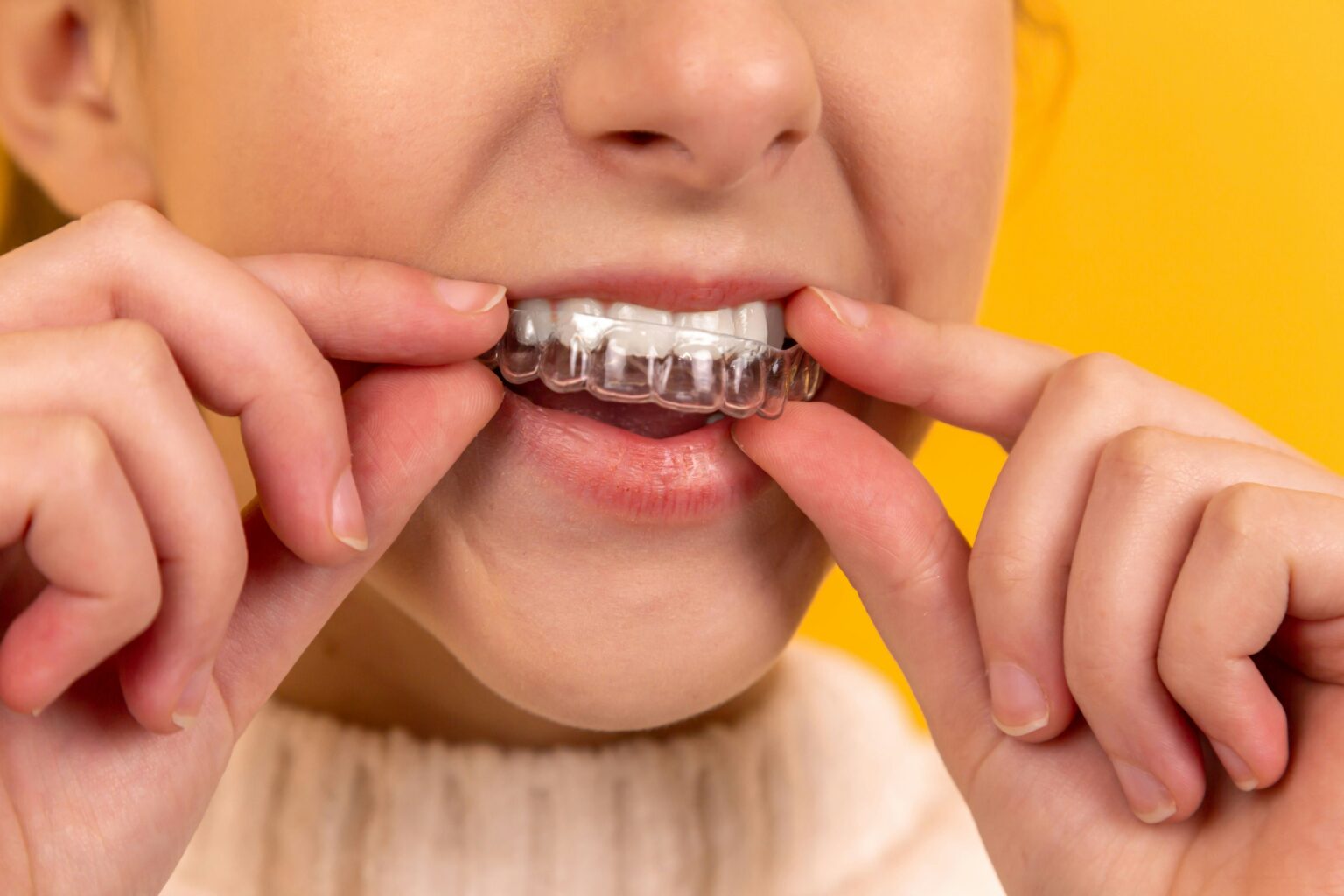
Choosing Invisalign is not a casual purchase. It is a financial commitment, a time commitment, and for many adults and teens, an emotional one too. People often focus on the trays themselves, the digital scans, and the promise of a straighter smile. What gets less attention is the simple reality that Invisalign only pays off when you protect the investment every day, from the first aligner to long after active treatment ends.
That matters even more in a place like Calabasas, where patients are often balancing demanding work schedules, school activities, social events, travel, and a long list of competing priorities. Invisalign fits that lifestyle well because it is discreet and removable. Those same advantages can also work against you if you are inconsistent. Removable appliances rely on patient discipline. Skip wear time, lose trays, ignore small fit issues, or abandon retainers after treatment, and the result can be expensive backtracking.
When patients ask how to get the best value from Invisalign Calabasas CA treatment, the answer is rarely glamorous. It usually comes down to habits, communication, and timing. The people who protect their results are not necessarily the ones with the easiest cases. They are the ones who treat each phase seriously.
Understand what you are actually investing in
Most people think they are paying for clear aligners. In reality, they are investing in a process. That process includes diagnosis, records, treatment planning, staged tooth movement, periodic monitoring, possible refinements, and retention. The trays are just one part of a much larger system.
A well-executed Invisalign case involves more than moving visible front teeth into straighter positions. Bite function matters. Root positioning matters. Gum health matters. Jaw comfort matters. Long-term stability matters. If treatment is rushed or if the patient cuts corners, the smile may look improved at first glance while underlying issues remain unresolved. That can lead to relapse, chipped edges, uneven wear, or more treatment later.
This is why a lower upfront fee is not always the better value. A thoughtful provider who plans carefully and monitors progress closely may help you avoid refinements, delays, and preventable problems. Protecting your investment starts by recognizing that cost is only one piece of value. The other piece is outcome.
Wear time is the single biggest factor you control
The standard advice for Invisalign is usually around 20 to 22 hours a day, depending on your doctor’s instructions. Patients hear that number so often that it can lose meaning. In practice, that level of Invisalign Calabasas CA wear means aligners are out mainly for meals, brushing, and short breaks. If they sit in a napkin during a long lunch, spend two extra hours out at dinner, and stay out through evening snacks, wear time slips fast.
That is when cases drift off schedule.
A patient might feel like they wear aligners “most of the time,” yet only reach 16 to 18 hours a day. Over a week, that shortfall adds up. Teeth do not move on intention. They move on consistent force over time. When trays are not worn enough, they stop fitting ideally. The next aligner may feel painfully tight, attachments may stop tracking properly, and a case that was supposed to be straightforward can suddenly require more visits and more trays.
One of the most practical ways to protect your Invisalign Calabasas CA investment is to build wear time into your routine, not your memory. People with the best compliance usually have a system. They eat on a schedule. They carry their aligner case. They brush or rinse before reinserting trays. They do not leave room for guesswork.
I have seen patients do beautifully with demanding jobs and frequent travel because they created structure early. I have also seen highly motivated people run into avoidable setbacks simply because they treated the aligners casually for the first few months.
The first few weeks often predict the whole case
There is a pattern many providers recognize. Patients who lose momentum early often keep struggling, while those who establish strong habits during the first two or three aligners tend to stay on track.
The reason is partly physical and partly behavioral. Physically, early tracking sets the tone for later trays. If the teeth respond as planned, subsequent aligners are more likely to fit. Behaviorally, the first month is when you decide whether Invisalign becomes part of your routine or a constant negotiation with yourself.
If you are starting treatment, protect your investment by treating the opening phase seriously. Expect mild pressure. Expect a learning curve when speaking. Expect to think about meals a little more than usual. None of that means treatment is failing. It means you are adapting.
Patients who panic at every small discomfort sometimes start wearing trays less, taking them out too often, or advancing too quickly because they want to “get through it.” That usually backfires. Measured consistency works better than impatience.
Small mistakes that become expensive
Many Invisalign problems start with something minor. A tray gets wrapped in a restaurant napkin and tossed out. A retainer case is left on a school lunch table. A patient moves to the next aligner too soon because the current one “feels loose.” A cracked tray gets worn for an extra week without calling the office. None of these mistakes seems huge in the moment. Some can cost weeks of lost progress.
A common example is delayed communication. If an aligner stops seating fully around one or two teeth, there is often a window where the issue can be corrected with chewies, a few extra days in the tray, or a quick office visit. Wait two or three weeks, and the mismatch can worsen enough to require a treatment adjustment.
Another common issue is poor tray care. Invisalign trays are durable, but they are not indestructible. Hot water can warp them. Toothpaste can scratch them over time, making them cloudy. Sugary drinks trapped under aligners can increase cavity risk. Smoking or heavy coffee use can stain trays and affect appearance, which matters to patients who chose Invisalign for its subtle look.
Most of these problems are preventable. They just require attention before they become costly.
Keep your aligners clean without damaging them
Cleaning trays sounds simple, but many patients improvise in ways that shorten tray life or make them less pleasant to wear. The goal is to keep them clear, odor-free, and bacteria-reduced without distorting the plastic.
Use lukewarm water, Invisalign Calabasas CA not hot. Gently brush them with a soft toothbrush if your provider recommends it, and use cleaning crystals or aligner-safe cleaning products when needed. If you wear each tray for a week or two, they do not need to look brand new forever, but they should never smell sour or feel coated.
A frequent mistake is putting trays back in after drinking coffee, juice, sports drinks, or wine without rinsing. Even if the liquid seems harmless, sugar and acid can stay trapped against the teeth. Clear aligners can become miniature covers that hold the wrong environment against enamel for hours. That is one reason some patients with otherwise healthy mouths develop white spots or sensitivity during orthodontic treatment.
If brushing is not possible right away, rinsing your mouth and the trays is far better than doing nothing. Perfect habits are not required. Better habits are.
Your provider matters more than many people realize
Patients often compare Invisalign providers by price and convenience, which is understandable. Yet provider judgment can make a significant difference in how efficiently treatment goes and how stable the outcome is.
A well-planned case accounts for crowding, bite relationships, attachments, interproximal reduction when appropriate, and the biology of how teeth move. Some teeth are predictable. Others are notoriously stubborn. That is why two cases that look similar in a photo can unfold very differently in real life.
When choosing or working with a provider for Invisalign Calabasas CA, pay attention to the details that reflect good oversight. Are your scans and records thorough? Are treatment goals being explained clearly? Does the office respond promptly when trays are not fitting? Are refinements discussed thoughtfully rather than automatically? Is retention being planned before active treatment ends?
People sometimes think refinements are proof something went wrong. Not necessarily. Refinements can be a normal, useful part of treatment. The issue is whether they are being used strategically or as a patch for avoidable drift. That is where clinical judgment matters.
Insurance, financing, and what “value” really means
Part of protecting your investment is understanding your financial framework from the start. Dental benefits may contribute to orthodontic treatment, but coverage varies widely. Some plans have lifetime orthodontic maximums. Some cover children more generously than adults. Some reimburse in stages over the course of treatment rather than all at once.
If you are financing treatment, missed appointments or extended treatment time may not change your monthly payment, but they can affect how long you remain in active care and how much personal time the process consumes. That hidden cost is worth acknowledging. A treatment plan that drags six months beyond expectation due to poor compliance can feel much more expensive than the invoice suggests.
Ask practical questions early. What is included in the quoted fee? Are refinement trays covered? What happens if you lose multiple aligners? Is there a replacement charge for retainers at the end? Clarity protects both your wallet and your expectations.
Travel, school, and busy schedules do not have to derail treatment
Calabasas patients often have full calendars. Professionals commute, teens have packed extracurricular schedules, and many families travel often. Invisalign can accommodate that lifestyle very well, but only if you prepare for predictable disruptions.
If you travel frequently, keep backup essentials in more than one place. A spare case in your work bag and another in your suitcase can save a lot of stress. If you tend to eat on the go, choose meals you can finish in a focused window rather than grazing for hours. If your teen is in sports or performing arts, set reminders for reinsertions after snacks and rehearsals.
This is one area where realism beats perfection. The patient who plans for messy real life tends to do better than the patient who imagines treatment will unfold under ideal conditions.
A simple travel routine helps:
- Pack your current aligners, the previous set, and your next set if your provider has approved scheduled changes while away.
- Carry a case, travel toothbrush, floss, and a small bottle for rinsing when brushing is not possible.
- Store trays in your personal bag, not a checked suitcase or loose jacket pocket.
- If a tray cracks or stops fitting, contact your dental office promptly rather than guessing what to do next.
- Keep your next appointment on the calendar before you leave town so treatment does not drift.
That kind of preparation may sound minor, but it often makes the difference between a seamless trip and a setback.
Attachments, elastics, and refinements are part of the investment too
Many patients start Invisalign because they expect simplicity and aesthetics. Then they discover attachments on teeth, small pressure points, or elastics in certain cases. This can be disappointing if no one prepared them for it. Still, these features often improve treatment precision and efficiency. Refusing them because they are inconvenient may undermine the very result you are paying for.
Attachments help aligners grip teeth and generate the forces needed for controlled movement. Elastics can improve bite relationships that trays alone may not address as efficiently. Refinement scans help fine-tune an outcome when the first series brings you close but not all the way there.
The mistake is seeing these elements as optional annoyances rather than useful tools. If your provider recommends them, ask why. Understanding the purpose usually makes compliance easier. It is much easier to tolerate a few visible attachments when you know they may reduce the need for prolonged treatment later.
Retainers are where many patients lose the value they paid for
The biggest threat to your Invisalign investment is often not during active treatment. It is what happens after. Teeth have memory. Bone and soft tissues need time to stabilize. Even beautifully aligned teeth can shift if retainers are not worn as instructed.
This is where patients can become their own worst enemy. After months of discipline, they want to be done. They wear retainers inconsistently, leave them in the car, skip replacements when they loosen, or assume the teeth will “stay because treatment is finished.” That assumption is one of the most expensive mistakes in orthodontics.
Retention is not a footnote. It is part of treatment. If you spent thousands of dollars and many months achieving your result, wearing retainers is how you keep from paying again for corrections.
There are a few warning signs that your retention routine needs attention:
- Your retainer suddenly feels tight after a period of easy fit.
- Small spaces or crowding begin to reappear, especially in the lower front teeth.
- You skip nights regularly and tell yourself it has not caused a problem yet.
- A retainer cracks, warps, or no longer seats fully, but you continue wearing it anyway.
- You do not know when your current retainer was made or when it should be replaced.
I have had patients return a year or two after successful treatment with subtle relapse that could have been prevented with a straightforward retention routine. Usually the changes are not dramatic at first. That is precisely why they get ignored.
Protecting enamel and gum health along the way
Straight teeth look best when the supporting tissues are healthy. Invisalign can make oral hygiene easier than traditional braces because you can remove the trays to brush and floss. That advantage only helps if you actually use it.
Patients sometimes become so focused on wear time that they rush hygiene. Others snack more often because they tell themselves they can simply remove the trays. Both patterns can increase cavity risk. Active orthodontic treatment is not the time to let cleanings slide or postpone a small filling.
Gums deserve equal attention. If your gums are inflamed, teeth may feel more tender and aligners may be less comfortable. Bleeding when flossing should not be written off as normal forever. Often it is a sign that plaque is accumulating near the gumline or around attachments.
Protecting your investment includes keeping routine dental care current. If your general dentist notices recession, decay, or heavy wear, address it early. Orthodontic progress and overall dental health should support each other, not compete.
When to call your dentist instead of waiting
Some patients avoid calling because they do not want to be difficult. Others assume the office will just tell them to keep wearing the trays. That hesitation can cost time.
Reach out if a tray does not seat fully after several days, if an attachment falls off, if a tray cracks significantly, if you have sharp persistent discomfort in one area, or if you are unsure whether to move to the next aligner. These are not minor nuisances. They are treatment variables.
Providers generally prefer an early message with a quick photo over a late visit with a larger problem. Clear aligner treatment works best when patient and provider act like a team. Silence helps no one.
The role of expectations in protecting your result
A surprising amount of Invisalign dissatisfaction comes from mismatched expectations rather than poor treatment. Some patients expect every tray change to feel dramatic. Others expect zero discomfort. Some believe the final result will be instantaneous once the last tray is done, when in reality bite settling, polishing details, or retention adaptation may still be happening.
Protecting your investment means staying anchored to realistic milestones. Improvement may come in waves. Front teeth may look better before the bite is finished. One stubborn tooth may lag behind the others. A refinement phase may be needed to make a good result better.
Patients who understand this tend to make better decisions. They are less likely to stop early because things already look “good enough,” and less likely to become discouraged by normal treatment variability.
A straighter smile is only part of the return
The return on Invisalign is not limited to photos. Well-aligned teeth can be easier to clean, easier to restore, and in some cases easier to keep stable over time. Bite improvements may reduce uneven wear in certain patients. Confidence often changes too, not in a dramatic movie-scene way, but in quieter daily moments. People smile in meetings without thinking about it. They stop covering their mouth in pictures. They speak up more easily.
Those gains are real, but they are not automatic. They depend on finishing treatment well and preserving the result afterward.
If you want the best return from Invisalign Calabasas CA treatment, think beyond the purchase. Treat each aligner like part of a larger plan. Respect the wear schedule. Clean the trays properly. Keep appointments. Ask questions early. Wear retainers faithfully. None of that is flashy. All of it works.
That is how you protect the money you spent, the time you invested, and the smile you set out to build.
Oaks Dental
5000 Parkway Calabasas, Suite 308
Calabasas, CA 91302
(818) 643-6521
FAQ About Invisalign Calabasas CA
How many hours a day should I wear Invisalign?
Clear aligners are typically worn for 20 to 22 hours a day. Follow your dentist’s instructions for your specific treatment plan.
What age is best for Invisalign?
Many teens and adults can use clear aligners. A dentist can assess dental development, oral health, and the type of tooth movement needed.
What affects the cost of Invisalign in California?
Cost depends on the complexity and length of treatment and what the quoted plan includes. Ask for an itemized estimate and check any orthodontic coverage with your insurer.