Invisalign Calabasas CA for Teens: A Modern Orthodontic Option
For many families, the teenage years are when orthodontic treatment moves from a vague future idea to an immediate decision. Teeth that looked only slightly crowded at age eleven can shift noticeably by fourteen. Bite issues become easier to spot. School photos, sports, social events, and plain old teenage self-consciousness all raise the stakes. Parents want a treatment plan that works. Teens want something they can live with.
That is where Invisalign has changed the conversation. In a place like Calabasas, where schedules are packed and appearance matters to many adolescents, clear aligners have become a practical alternative to braces for the right patient. The phrase Invisalign Calabasas CA often comes up in online searches because families are not simply looking for straighter teeth. They are looking for a treatment option that fits real life, from class presentations and team practices to yearbook portraits and after-school jobs.
The important part is this: Invisalign can be an excellent option for teens, but it is not automatically the best option for every teen. Results depend on the complexity of the case, the maturity of the patient, and the quality of the treatment plan. A modern orthodontic option still requires old-fashioned consistency.
Why teens and parents are drawn to Invisalign
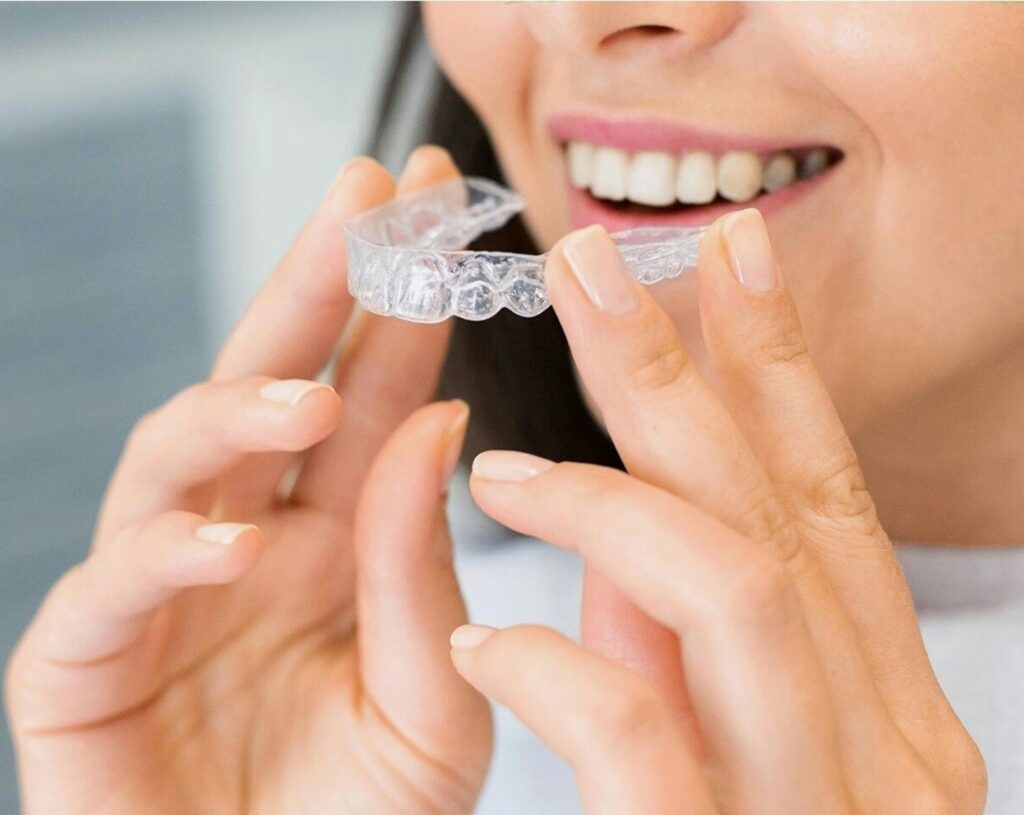
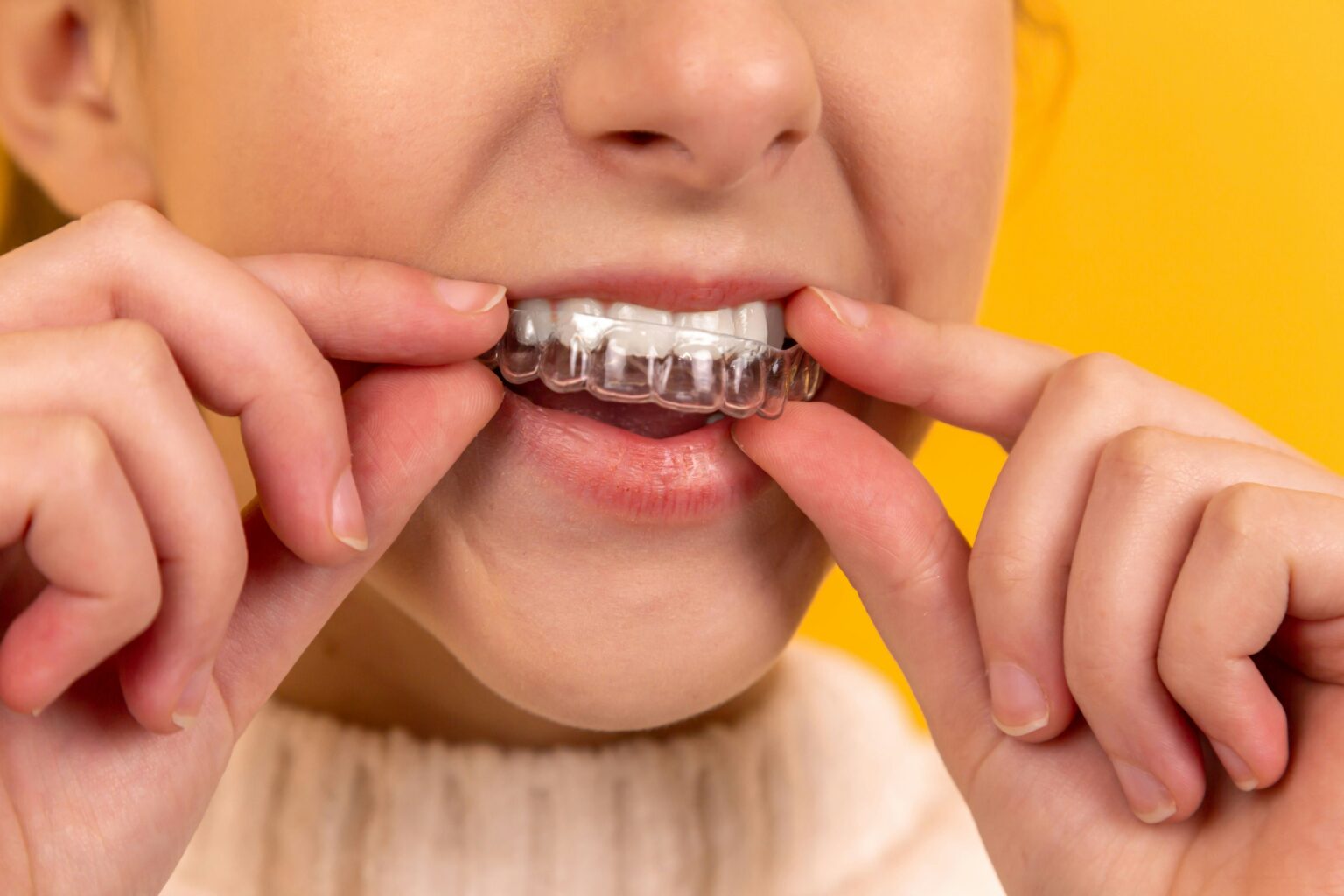
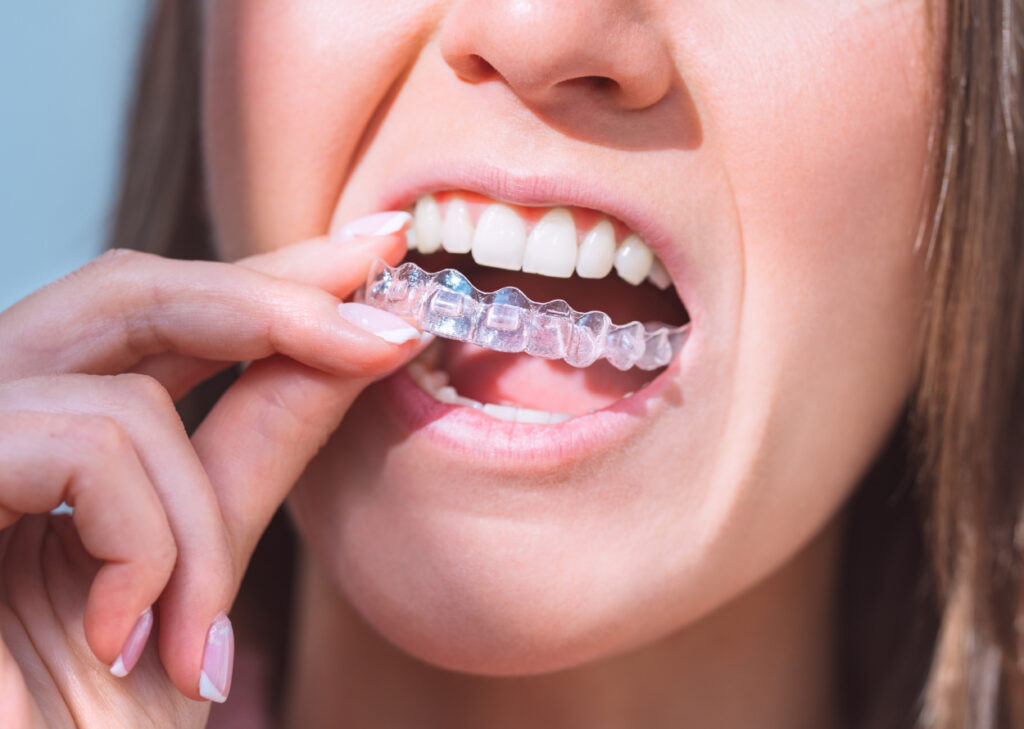
The appeal is easy to understand the moment a teenager compares clear aligners to metal brackets. Invisalign trays are smooth, removable, and far less visible at a conversational distance. That alone can reduce resistance to treatment, especially for teens who are already navigating a phase of life where they feel watched, judged, and photographed more than they would Invisalign Calabasas CA Oaks Dental like.
There is also a comfort factor. Traditional braces can irritate cheeks and lips, particularly in the first weeks after placement and after adjustment visits. Aligners are not pain-free, but the discomfort is usually different. Most teens describe pressure for a day or two after switching to a new tray, rather than the scraping or poking some experience with brackets and wires.
Food is another point in Invisalign’s favor. Teenagers can remove aligners for meals, which means no long list of banned foods. Popcorn at the movies, apples at lunch, and chewy bread are not off-limits in the same way they can be with braces. That freedom matters more than adults sometimes expect. A treatment plan that feels manageable is a treatment plan a teen is more likely to stick with.
For families in Calabasas, convenience often plays a role as well. Many teens juggle academics, athletics, music lessons, tutoring, and social commitments. Invisalign visits can be efficient, and fewer emergency appointments are needed because there are no broken brackets or poking wires to repair. That said, the convenience only holds up if the teen actually wears the aligners as prescribed.
What Invisalign for teens actually involves
There is sometimes a misconception that Invisalign is a Invisalign Calabasas CA lighter, easier, almost casual form of orthodontic treatment. It is not casual. It is highly planned and very precise.
Treatment usually begins with a consultation, records, and digital scanning. Many offices use 3D imaging to map the current bite and simulate planned movement. Instead of tightening wires over time, the orthodontist creates a staged sequence of aligners. Each set is designed to move certain teeth by a small amount. Over months, those small movements add up to meaningful change.
Teen Invisalign cases often include features that people do not notice at first glance. Small tooth-colored attachments may be bonded to certain teeth to give the aligners more grip. Elastics may still be used in some bite corrections. Refinement trays are common near the end of treatment to improve details like midline alignment or final rotation. In other words, clear aligners may look simple, but the mechanics behind them can be quite sophisticated.
Most teens are asked to wear aligners around 20 to 22 hours a day. That leaves enough time for meals, brushing, flossing, and perhaps a brief break for a special event. It does not leave room for forgetting them on a bathroom counter for half the afternoon.
The teenage compliance question
If there is one issue that determines whether Invisalign succeeds or struggles, it is compliance. Orthodontists can design a smart plan. Parents can pay for treatment. But only the patient can wear the aligners.
This is where honesty matters. Some teens are ideal Invisalign patients because they are organized, motivated, and invested in the result. They keep track of trays, brush after meals, and change aligners on schedule. Others are less consistent. They lose things. They snack frequently and leave trays out. They mean well, but mean well is not the same as 22 hours a day.
In practice, maturity matters more than age. A thirteen-year-old who follows instructions carefully may do better with Invisalign than a seventeen-year-old who treats the trays like a casual accessory. During consultations, experienced orthodontic teams often ask questions that seem simple but reveal a lot. Does the teen already manage schoolwork independently? Do they wear retainers or sports gear responsibly? Are they asking questions about treatment, or is the parent doing all the talking?
There is no shame in deciding that braces are the better choice for a teen who is unlikely to wear aligners properly. Fixed appliances can be more forgiving because they are always on. For some families, that reliability is worth more than the cosmetic advantage of clear trays.
Which teen cases tend to work well with Invisalign
Invisalign has come a long way from the early days when it was viewed mainly as an option for mild crowding in adults. Today, many teenage cases can be treated effectively with aligners, including moderate crowding, spacing, some bite issues, and a range of alignment concerns. With attachments, elastics, and careful monitoring, orthodontists can accomplish a great deal.
Still, not every case is equally straightforward. Teeth that need significant vertical movement, severe rotations, complex skeletal discrepancies, or more advanced bite correction may respond better to braces, or to a combined approach. Some teens also still have erupting teeth or growth-related considerations that influence the choice.
A good orthodontist will not oversell Invisalign just because it is popular. The right recommendation should come from the teen’s anatomy, not the marketing appeal of clear aligners. Families should expect a discussion about what Invisalign can realistically accomplish in that specific case, how long it may take, and whether braces would offer better control.
Appearance matters, and that is not a shallow concern
Adults sometimes dismiss a teen’s concern about appearance as vanity. That is usually a mistake. Adolescence is a period when social confidence can be fragile, and orthodontic treatment sits right in the center of the face. It affects how a teen smiles, speaks, and feels in peer settings.
For many patients, the low-profile look of Invisalign lowers the emotional barrier to starting treatment. A teen who resists braces may accept aligners without a fight. That can reduce family friction and make the entire process smoother. More importantly, it can help the patient feel in control rather than embarrassed.
This does not mean braces are embarrassing, nor should they be framed that way. Plenty of teens wear braces confidently. But when a less visible option is clinically appropriate, it can be meaningful. I have seen teenagers who were hesitant at the consultation become engaged and motivated the moment they realized treatment did not have to dominate their appearance.
Sports, instruments, and everyday teenage life
One of Invisalign’s practical strengths is how well it fits activities that fill a teen’s week. Athletes often prefer aligners because there are no brackets to cut the inside of the mouth during contact. A properly fitted sports mouthguard is still important, but many athletes appreciate having fewer sharp surfaces involved. Musicians who play wind instruments sometimes find aligners easier to adapt to than braces, especially during the initial period.
Speech can be affected briefly when treatment starts. A slight lisp is not unusual for a few days as the tongue adjusts to the trays. Most teens adapt quickly, but it is worth mentioning upfront, especially if they are preparing for debate, theater, or class presentations.
Daily routines also tend to improve oral hygiene. With braces, cleaning around brackets requires extra effort and technique. With Invisalign, the teeth themselves can be brushed and flossed normally once the aligners are removed. That can be a major benefit for teens who are prone to plaque buildup or who have a history of inconsistent brushing. Of course, if a teen removes aligners for snacks and then puts them back on without brushing, the hygiene advantage disappears.
The parts families do not always think about
The polished marketing version of Invisalign focuses on aesthetics and convenience. Real life includes some less glamorous details. Trays have to be cleaned. They can stain if a teen drinks coffee, tea, or colored sports drinks while wearing them. They can warp if left in a hot car. They can be lost in a napkin at lunch with surprising frequency.
Replacement trays are not just an annoyance. They can disrupt treatment if not handled quickly. A teen who loses an aligner the day before leaving town for a tournament or school trip may need guidance on whether to move to the next tray or wear the previous one. This is one reason responsive follow-up matters.
There is also the snacking issue. Many teens graze throughout the day, especially during school and after practice. Invisalign works best when eating happens in defined windows. If a patient is constantly removing aligners for small bites and drinks, wear time drops and treatment suffers. Families often underestimate how much behavioral adjustment this requires.
Cost, value, and what families should ask
The cost of Invisalign and braces can overlap significantly, depending on the case complexity and the office. In some practices, Invisalign costs more. In others, the difference is modest or nonexistent. Insurance coverage varies, and orthodontic benefits often apply similarly to either treatment type, subject to plan limits.
Value should be measured by more than the initial fee. A cheaper treatment plan that drags on because of poor fit or poor supervision can become costly in time, stress, and additional refinements. On the other hand, paying for Invisalign when a teen is unlikely to wear it properly may not be a wise use of resources.
A consultation should leave parents with clear answers on a few practical points:
- whether the case is truly appropriate for Invisalign
- the estimated treatment length and what could extend it
- how refinements, lost trays, and emergency questions are handled
- what the teen’s wear schedule must look like day to day
- how retention will be managed after treatment ends
Those are not minor details. They shape the real experience far more than before-and-after photos do.
Choosing an orthodontic provider in Calabasas
When families search for Invisalign Calabasas CA, they often start with convenience and online reviews. That is understandable, but it should not be the only filter. Teen orthodontics requires clinical judgment, communication skill, and a team that knows how to work with both adolescents and parents.
A polished website is not proof of expertise. What matters is how thoughtfully the consultation is handled. Is the exam comprehensive? Are treatment options explained without pressure? Does the orthodontist discuss limitations as well as benefits? Do they show how they monitor tracking and progress? These are signs of a practice that treats Invisalign as a medical service, not a retail product.
It is also worth paying attention to how the office talks to the teen. The best providers build buy-in directly with the patient. They explain why wear time matters, what to do if a tray feels tight, and how missed hours affect movement. Teens are much more likely to cooperate when they understand the reasons behind the rules.
Calabasas families often appreciate offices that offer digital tracking tools, efficient scheduling, and clear communication. Those conveniences are helpful, especially for busy households, but they should support sound treatment rather than replace it.
When braces may still be the smarter option
Clear aligners are modern, but newer does not always mean better for every case. Braces still offer important advantages in certain situations. They give the orthodontist constant control over tooth movement, independent of patient compliance. They can be especially useful when there are significant bite issues, stubborn rotations, or a pattern of forgetfulness that makes removable appliances risky.
For some teens, braces are simply easier. There is no decision to wear them. There is no tray to lose at lunch. There is no temptation to leave them out during a sleepover or after a late practice. That can reduce conflict at home and produce steadier progress.
The right framing for families is not Invisalign versus braces as a popularity contest. It is which tool gives this particular teen the best chance of a healthy, efficient, stable result.
What treatment tends to feel like after the first few weeks
Once a teen gets through the adjustment period, Invisalign often becomes part of the background of daily life. Most adapt quickly to removing trays before meals, brushing before reinsertion, and switching aligners on schedule. The first tray change can feel surprisingly snug, which is often a sign that the system is doing what it should. That pressure usually fades.
There are still periodic moments of frustration. Attachments can feel odd at first. A tray edge may need smoothing. A busy day can make it harder to keep up with the routine. But compared with what many families expect before starting, the experience is often less disruptive than feared.
One pattern I have seen repeatedly is that teens who take ownership early do best. They set phone reminders, carry a travel toothbrush, keep their case with them, and ask questions when something feels off. The treatment becomes less about parental policing and more about personal responsibility. That shift is valuable well beyond orthodontics.
Retainers are the part no one should minimize
Straightening teeth is only half the job. Keeping them straight matters just as much. Teen patients, like adults, need retention after active treatment ends. Whether a teen has Invisalign or braces, teeth have a natural tendency to shift if retainers are not worn as directed.
This is sometimes the most overlooked conversation in the entire process. Families are so focused on getting to the finish line that they do not think about what comes after. Yet retention is where long-term success is protected. A beautifully completed Invisalign case can relapse if retainers are ignored for months.
The smartest offices set expectations early. They explain that orthodontic treatment is not a one-time event followed by permanent stability with no effort. It is an active phase followed by maintenance. Teens who understand that from the beginning are less likely to be surprised later.
A modern option, with real responsibilities
For the right teenager, Invisalign offers a compelling mix of discretion, comfort, flexibility, and effective tooth movement. It fits well with school, sports, music, and social life. It can reduce self-consciousness at a stage when appearance often feels intensely personal. It can also support better brushing and fewer food restrictions than braces.
But the modern appeal of Invisalign should not obscure the central truth. It works best for teens who will wear it faithfully and for cases that are well suited to aligner mechanics. A strong treatment plan, honest case selection, and reliable follow-through matter more than branding.
Families considering Invisalign in Calabasas should look beyond the idea of clear trays as a lifestyle upgrade and see them for what they are: a precise orthodontic system that rewards discipline. When the fit is right, both clinically and personally, it can be an excellent path to a healthier bite and a confident smile.
Oaks Dental
5000 Parkway Calabasas, Suite 308
Calabasas, CA 91302
(818) 643-6521
FAQ About Invisalign Calabasas CA
How many hours a day should I wear Invisalign?
Clear aligners are typically worn for 20 to 22 hours a day. Follow your dentist’s instructions for your specific treatment plan.
What age is best for Invisalign?
Many teens and adults can use clear aligners. A dentist can assess dental development, oral health, and the type of tooth movement needed.
What affects the cost of Invisalign in California?
Cost depends on the complexity and length of treatment and what the quoted plan includes. Ask for an itemized estimate and check any orthodontic coverage with your insurer.